

In London, there are many buildings that, at first glance, seem to be quite ordinary. However, almost each of them is special and unique. Those objects also usually have interesting histories. The building of one of the most famous dairies in London is just like that. Known as Warwick Farm Dairies or J. Welford & Sons, it was once the largest dairy in the city. Its unusual architectural features still reflect the atmosphere of the past. What influenced the development of this place and what the production of dairy products looked like in the city at different times? Learn more at londonname.
Prerequisites for the farm foundation
At the beginning of the 19th century, farms of various sizes and forms of activity were quite common in the territory of London and its outskirts. In particular, a large number of dairy farms were located in west London. Nowadays, these areas are occupied by residential buildings and business establishments. However, 200 years ago, livestock grazed on local green meadows. The first step to the creation of Warwick Farm Dairies was Richard Welford’s purchase of a farm near Paddington in 1845. Thus, this man paved the way for the development of something much larger than an ordinary farm.
The beginning of large-scale production
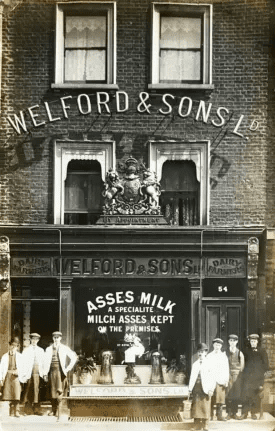
At that time, London was a constantly developing city. The government couldn’t allow domestic animals in the territory that was to become the epicentre of the Industrial Revolution. Therefore, many farms were moved to other places. Richard Welford died in 1858. It seemed like the sad end of the dairy business, but Richard’s business was carried on by his sons and his widow. They managed not only to set up sales in the father’s dairy stores but also to purchase a huge plot of land on the corner of Shirland Road and Elgin Avenue. This place later became one of the largest dairies in Great Britain. Construction of the factory was completed in the 1880s. By that time, the Welford family could boast of an established milk trade from their farms in Harlesden and Kensal Rise. They even supplied milk to Queen Victoria. Thus, the construction of such a powerful factory as Warwick Farm Dairies became a new step towards huge success.
Further history
The main building of the factory was designed in such a way that the entire basement space was intended for cleaning and storing canisters and various equipment. The quality of the milk was extremely important to the owners. They said that the office windows of one of the Welford brothers looked directly into the backyard, so he could control the production process personally. There was also a large warehouse for products. The big territory allowed transport that brought milk from farms to enter and leave the place easily. Moreover, the factory provided accommodation for its workers. Nowadays, these rooms have become ordinary (but very expensive) apartments. The result of such rapid development became very noticeable when the factory was presented at the International Health Exhibition. That 1884 exhibition was visited by four million people within six months. The representatives of the factory organised such a demonstration that J. Welford & Sons was talked about for many years to come. Firstly, they showed people live animals. In addition, the cowshed was equipped with a ventilation system, which was a rather rare phenomenon at that time. Secondly, their production processes were impressive. In particular, people could see the cooling and mechanical churning of milk. There was also a laboratory where visitors were shown the microscopical constituents of milk. A team of qualified specialists (veterinarians, analysts and sanitary engineers) was also present at the event. Visitors seem to have entered the future with the technologies able to make miracles. Of course, the popularity of the factory increased significantly after the exhibition. Company representatives showed an extremely high level of professionalism. In the early 1890s, the factory received products from more than 100 farms and the number of its workers reached 450. J. Welford & Sons was written about in the newspapers and the most interesting was the advertising of their products. Perhaps, it can be demonstrated to many modern students as a vivid example of successful marketing.
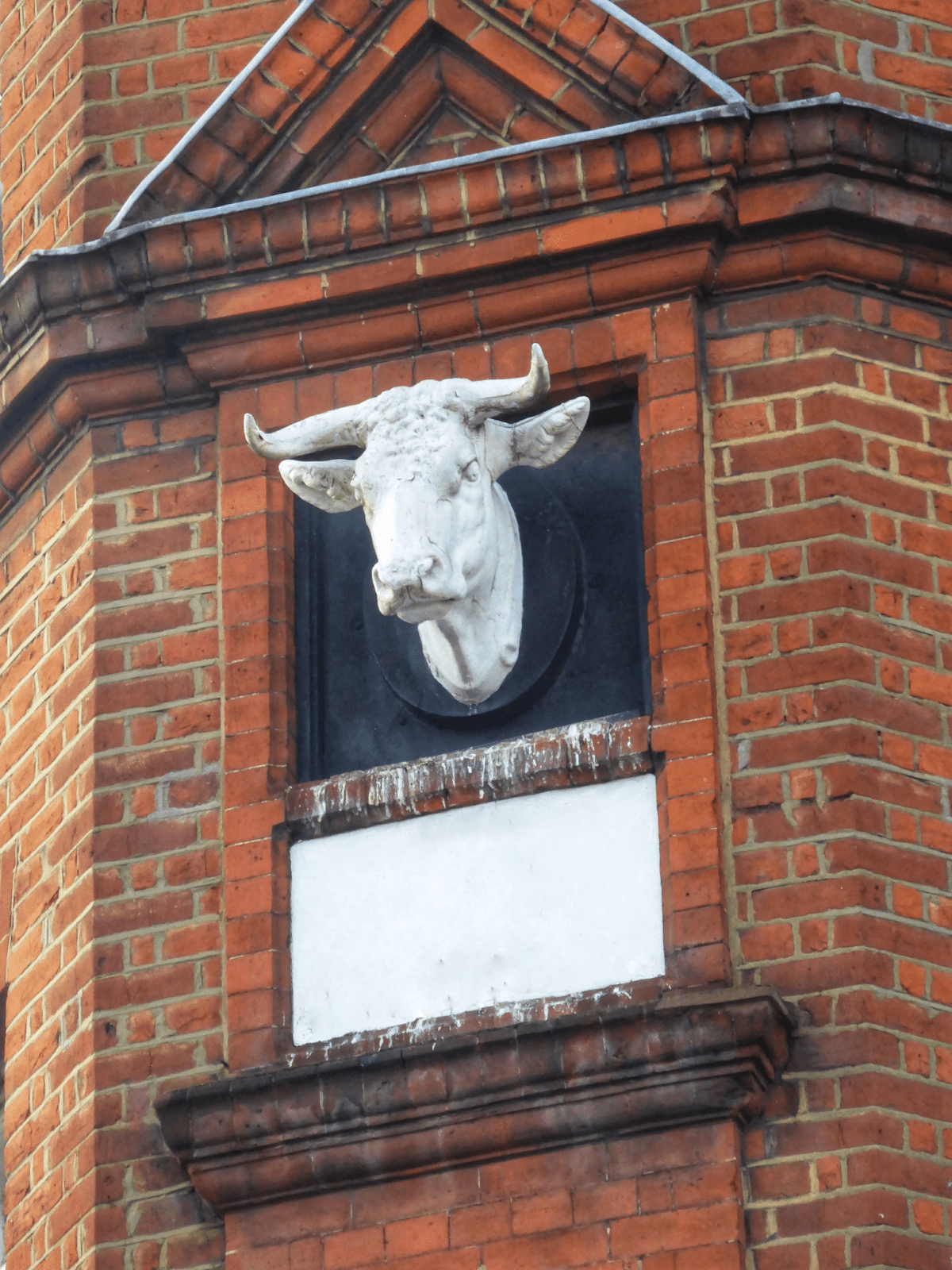
At the beginning of the 20th century, the factory still remained popular and even expanded the limits of production. In 1915, the company merged with United Dairies. By that time, several subsidiary companies had been established. In 1959, they merged with Cow & Gate, which led to the formation of Unigate. The dairy operated until 1983. Although the company has ceased to operate nowadays, it remains in the memory of many Londoners. Its facade is decorated with the wording J. Welford & Sons. In addition, there is a cow’s head on one of the brick walls, which is also a reminder of the building’s past. This example of a successful family business will remain in the history of London forever.