

Fishing is one of the most ancient occupations in the history of almost every country. It was an effective way of securing a food supply. As such, fishing was practised by the first settlements on the site of modern-day London. The favourable geographical position of Great Britain and the city itself allowed the Romans to quickly head out to sea. However, local waterways were often sufficient for a good catch. In any case, the fishing industry took root in the city a very long time ago. So, what was this journey like? What allowed London to develop in this sphere? And what does the fishing industry of the modern city look like? More at londoname.
Fish Markets as an Integral Part of London
The development of London’s fishing industry has left quite a significant physical mark. This can be seen in its fish markets, which were extremely popular in various periods of history. One of the most important events was the opening of the first recorded Fishmongers’ Hall in 1310. The original building has not survived to the present day. Its history includes several demolitions and a great deal of restoration work. However, the building has always remained a unique symbol of the fishing industry. The current Fishmongers’ Hall is adjacent to London Bridge and serves as the headquarters of the Worshipful Company of Fishmongers.
The fish trade flourished in the 1830s. At that time, it was even possible to identify the main districts where markets and other ‘fish-related’ sites were concentrated. For example, a bustling atmosphere always prevailed at Billingsgate. Barges would moor at the shore, whilst potential buyers made their way through the streets. For a long time, the fish market at Billingsgate was the largest in the world, so its popularity goes without saying. Generally, fish was usually bought wholesale here before making its way to retail outlets. With the arrival of the railway, this product could be easily delivered to any corner of London and beyond. Furthermore, this method helped keep the fish fresh.
Fishing and Fish Preservation Technologies
Considering the popularity of fish throughout Great Britain, it is worth mentioning the specifics of its transportation. Although it was unlikely for fish to spoil during transport within London itself, the goods were brought not only from the Thames and nearby rivers but also from the sea and other cities. Moreover, the fish had to be stored somehow, which presented certain difficulties. Even before the first refrigeration units, ‘ice boats’ existed. Ice was loaded along with the fish. This helped to slow the spoiling process and make the product more accessible to the city’s inhabitants.
Significant changes in the fishing industry also occurred thanks to the introduction of new technologies. These mainly related to the improvement of vessels. For example, the installation of mechanical capstans on wooden boats reduced the effort needed to lift heavy nets. This also meant a reduction in crew size and, at the same time, an increase in the number of nets. The advent of steam power was another major improvement, making vessels more resilient to changing winds. Further development included navigational improvements, which made it possible to increase efficiency and the time spent far from the harbour.
The Fishing Industry in the Modern City
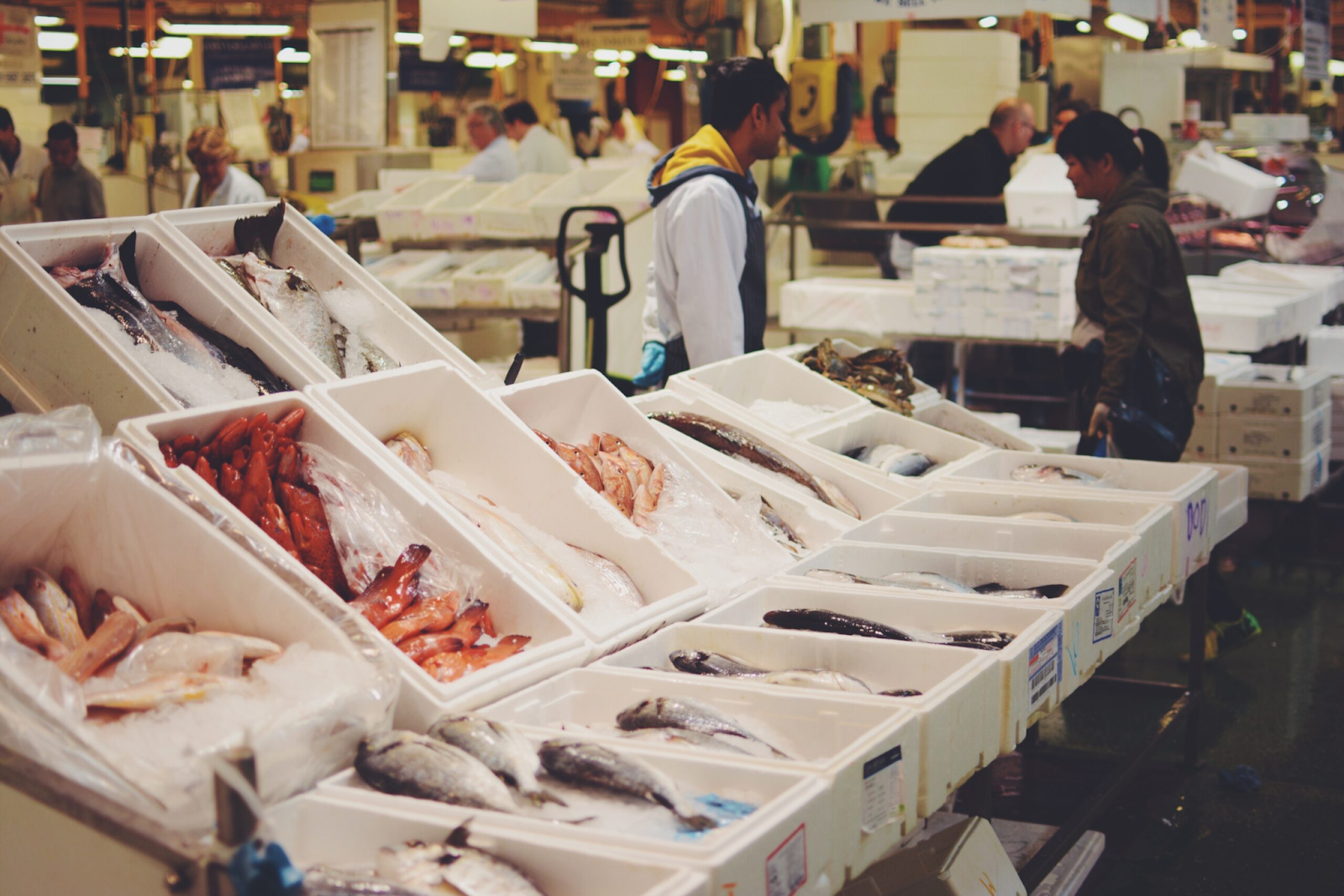
Today, many of the city’s fish markets continue to operate. Furthermore, there are a number of businesses (although some are located not far from London) whose work is related to this sphere. And although the largest sea-fishing ports are in Brixham, Lowestoft, Whitby, and a few other towns, London has always been well-supplied with fresh fish. Here, you can find countless amazing places to fish, sample the traditional dish of fish and chips, and even learn about the development of fishing in museums.