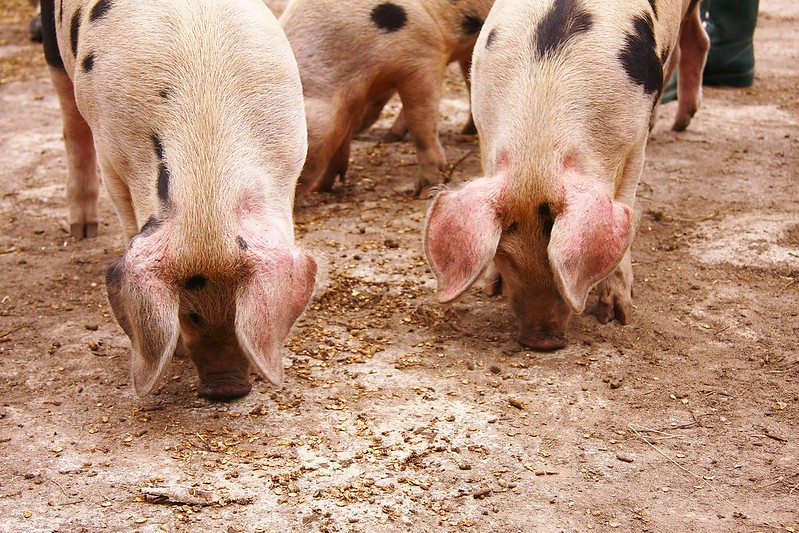
Having been heavily damaged during the Second World War, a large part of Stepney was in need of regeneration. Over time, plans for the area came to fruition in the form of Stepney City Farm. The farm has journeyed from a neglected wasteland to a recognised centre for education, sustainable agriculture, and social enterprise in London. Read more at londoname.
The Founding and Development of Stepney City Farm
In 1978, local Stepney residents, led by Lynne Bennett, founded Stepping Stones Farm. It was established on the site of a six-acre wasteland that had remained unusable since the devastation of the Second World War. It was here that the Stepney Congregational Church had been destroyed during the Blitz. To bring this land back to life, the organisers held a series of consultations with representatives from local schools, churches, and community groups. As a result of these efforts, the farm was granted the right to use the land.
During the creation of Stepping Stones Farm, rubbish and rubble were cleared from the wasteland using high-sided lorries. According to eyewitnesses, over 150 such trips were made over the years. After clearing the land, the team set about levelling the site, erecting fences, building temporary accommodation for volunteers, and setting up animal enclosures. The stables were built almost entirely by the enthusiasts themselves, using donated materials. The internal fencing was crafted from whatever could be salvaged from old skips and abandoned buildings.
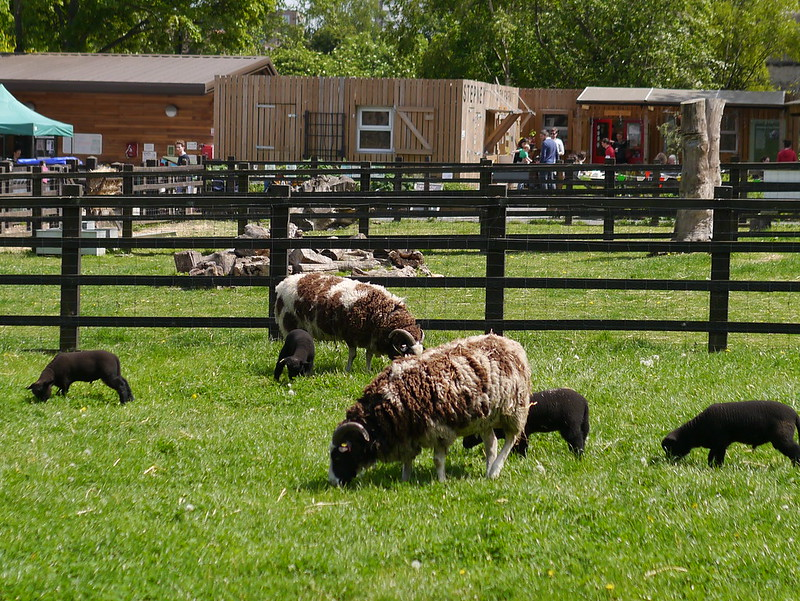
From the very beginning, the idea behind Stepping Stones Farm was to give the community an opportunity to be closer to agriculture. However, the initial steps in organising the livestock lacked a clear concept, and the approach to animal husbandry was naive. By adapting to challenges and gaining experience over time, the farm’s team began to develop a more realistic agricultural policy. By the spring of 1982, it was already home to a full range of traditional farm animals, including rabbits, poultry, goats, sheep, pigs, cattle, and even horses.
In 2010, the situation at Stepping Stones Farm changed dramatically. Following the death of Lynne Bennett, there was a real threat of its closure. At the same time, the company Crossrail expressed an interest in a compulsory purchase of the site to accommodate a shaft. This posed a serious danger to the farm’s continued existence.
However, a new group of local residents did not stand aside. They petitioned the council for permission to create a new charity that would continue the farm’s work. As their initiative gained support, three acres were transferred to Crossrail, while the other three were given to the newly formed charity. Officially beginning operations under a ten-year lease from the council, the farm was then given its new name: Stepney City Farm.
From that moment, a new life began for Stepney City Farm. A café, a shop, and a dedicated classroom for school programmes were established on its grounds. The farm’s focus expanded significantly—in addition to traditional animal husbandry, it now included food growing and educational initiatives. The number of paid staff grew from one to six, specialising in animal care, horticulture, education, youth work, and therapeutic community projects.
The Recognition and Significance of Stepney City Farm
Stepney City Farm remains a shining example of the transformative power of community initiative. It has become an interactive space for children and adults, where one can not only meet traditional farm animals but also learn to grow food, develop creative skills, and explore crafts. The farm’s café and shop offer produce grown on-site and support the independence of local food.