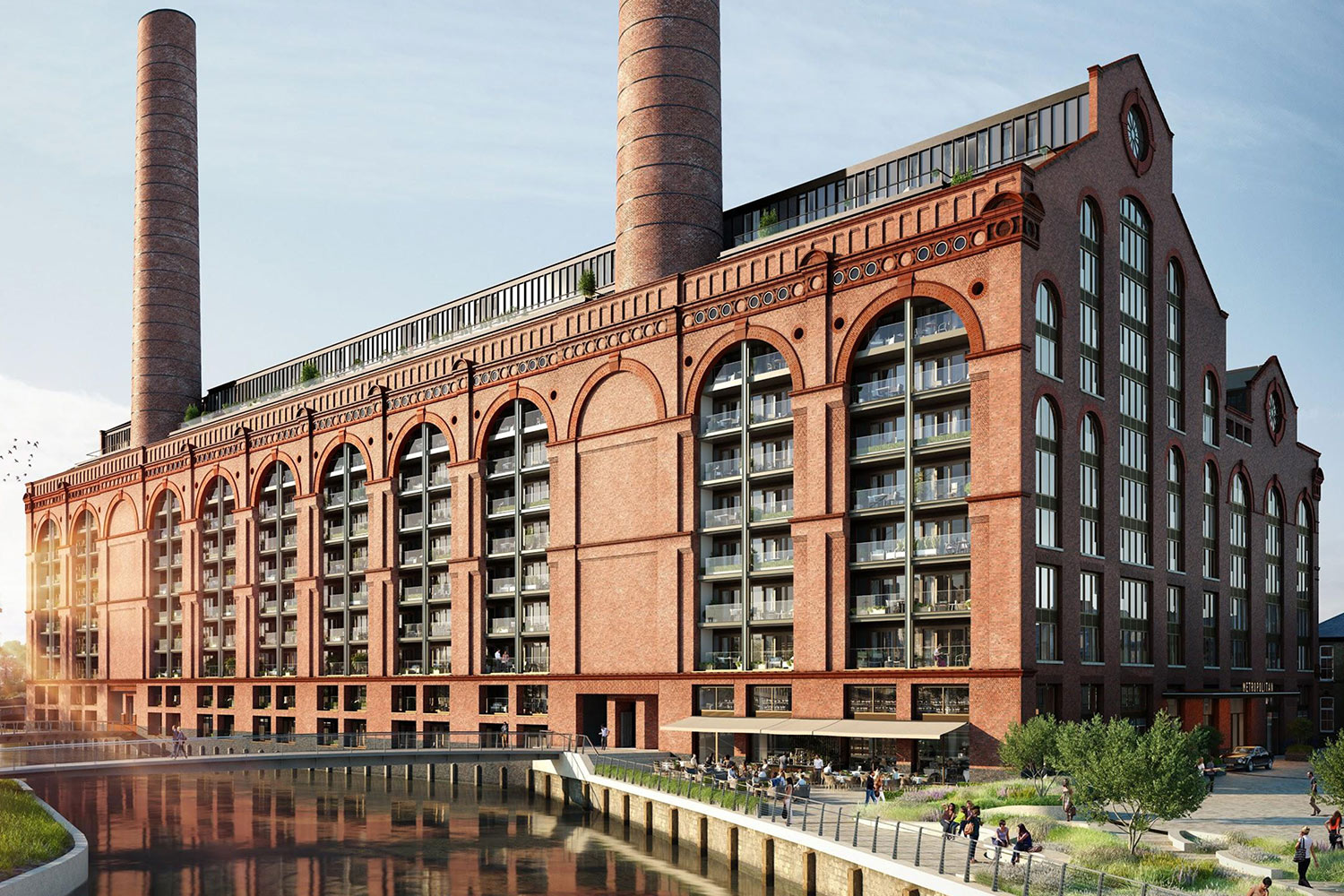
The Lots Road Power Station was a monument to engineering brilliance and technical progress. It was the birthplace of electric London, providing the essential energy to electrify the Underground and, subsequently, to cement the city’s status as a global metropolis. Read more on londoname.
The Foundation and Evolution of Lots Road Power Station
Construction of the Lots Road Power Station on the Thames began in 1902, with its official opening following in 1905. Its primary mission was to supply the rapidly expanding London Underground system with a stable source of electricity. Upon opening, Lots Road was heralded as the largest power station in the world. It boasted a colossal capacity of 55,000 kW. Its operations relied on 64 Babcock & Wilcox boilers, each producing 18,000 pounds of steam per hour. To sustain this immense output, around 700 tonnes of coal were burned daily, all of which was conveniently delivered by river barges.
A major modernisation took place in the 1960s. Lots Road switched to the standard UK frequency of 50 hertz and moved from coal to heavy fuel oil. Crucially, the number of chimneys was reduced from four to two, a visible symbol of the station’s new chapter. Further significant changes came in the 1970s. Following the discovery of natural gas fields in the North Sea, the boilers were converted to burn gas, with the ability to switch back to fuel oil as a reserve. From then on, Lots Road worked in tandem with Greenwich Power Station, together ensuring the uninterrupted power supply for the Tube network.
By the early 1990s, the future of Lots Road was in question. In July 1992, the decision was made not to proceed with another costly modernisation. Instead, it would only operate until its existing equipment reached the end of its lifespan. This historic chapter came to a close on 21 October 2002, when Transport Minister John Spellar ceremonially switched off the turbines, ending 97 years of continuous power generation. Since then, all electricity for the London Underground has been sourced from the National Grid, with Greenwich Power Station retained solely for emergency standby use.
In 1999, London Transport sold the Lots Road site to a private developer, Circadian, for £34 million. The new owners planned to transform the derelict industrial building into a state-of-the-art residential and commercial hub, featuring shops, restaurants, and luxury apartments. The project also included the construction of two adjacent skyscrapers, intended to serve as an architectural landmark for the revitalised Chelsea neighbourhood. Developers initially hoped to complete the renovation by 2013, but the global financial crisis put the ambitious scheme on hold.
It wasn’t until January 2025 that the Lots Road Power Station finally found its new incarnation as Powerhouse. This project is the centrepiece of the massive Chelsea Waterfront complex, which features ten buildings, including the highest residential tower in the SW10 postcode area. Architect Terry Farrell successfully blended the building’s industrial past with a sophisticated 21st-century style. Notably, he decided to preserve and repurpose the original chimneys, which once vented combustion products and are now iconic elements of the architectural ensemble. Powerhouse offers 260 elite apartments with panoramic views of the Thames, while the ground floors are dedicated to restaurants, galleries, and boutiques.
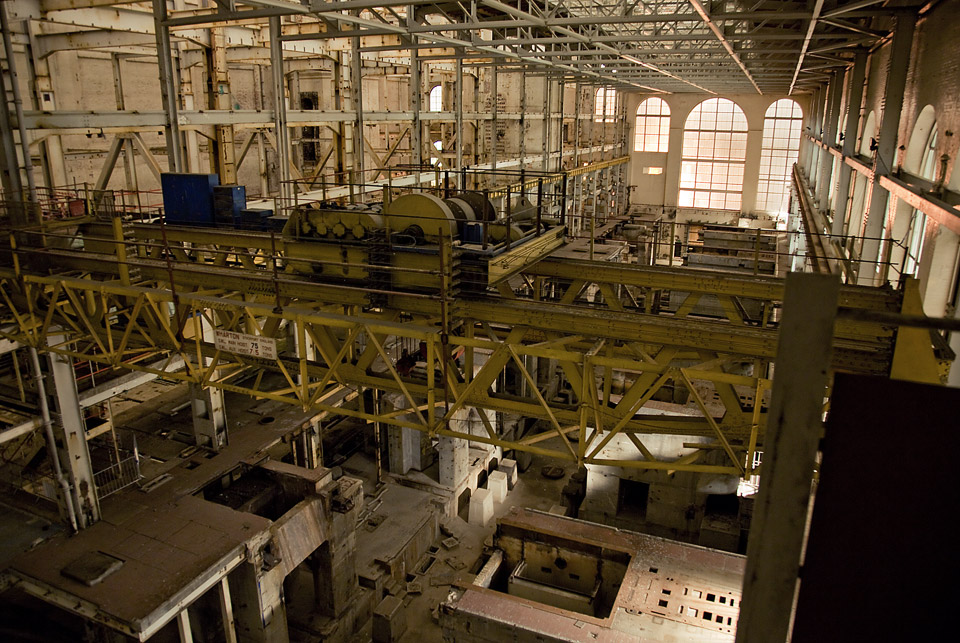
The Legacy of Lots Road Power Station
For almost a century, the Lots Road Power Station kept London’s Underground running. At the start of the 20th century, it was the world’s biggest and a potent symbol of British engineering ambition and technical foresight. Its sheer power made the transition of the District Line from steam to electric traction possible, ushering in a new era for London’s public transport. Today, in its modern, reimagined form, the building is recognised as one of London’s most significant technical and cultural landmarks, symbolising a powerful shift from the age of industrial might to one of urban renewal.