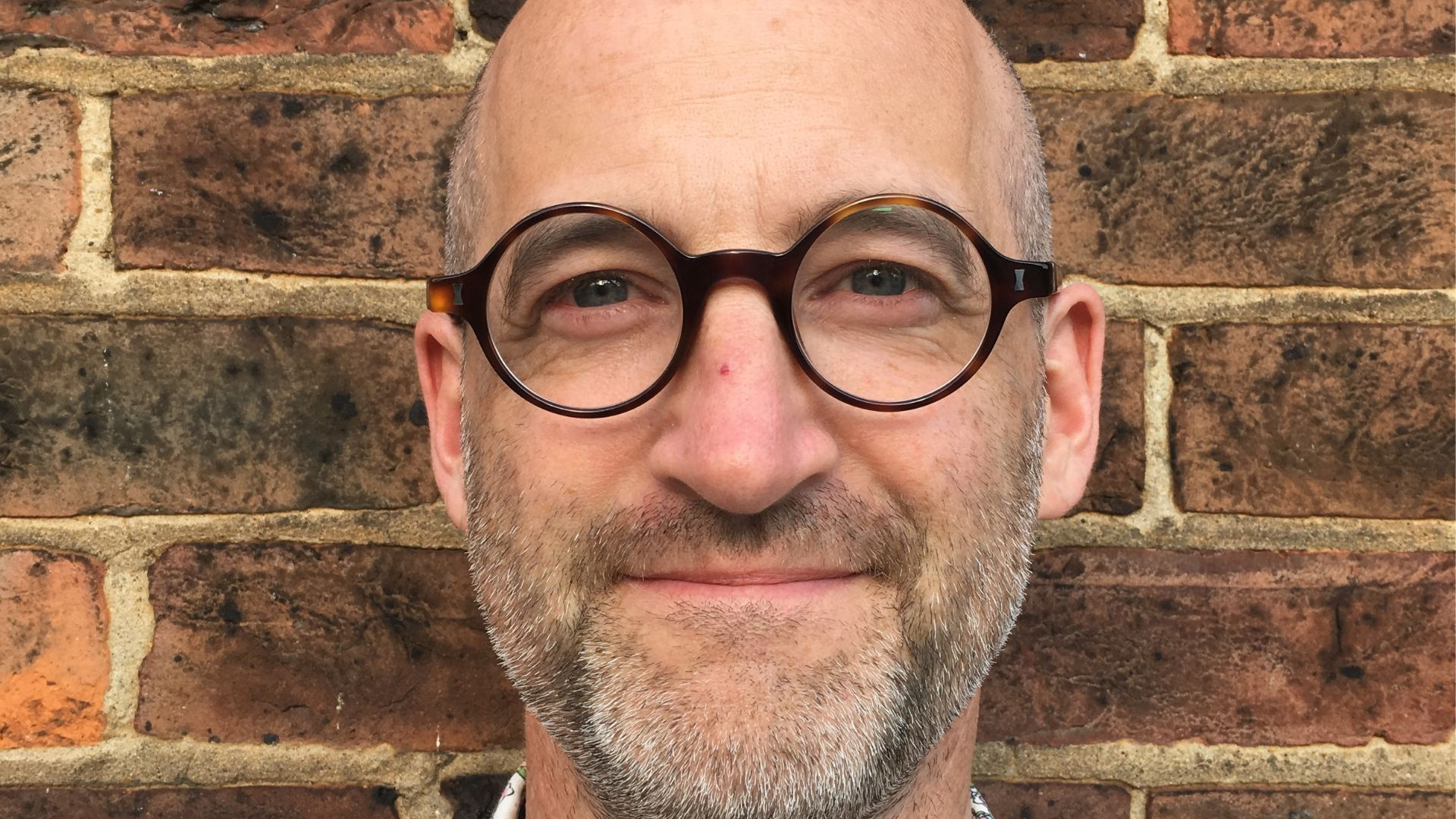
Mark Miodownik is a pre-eminent British materials scientist, engineer, and author, renowned for his research into innovative materials. His work brilliantly fuses fundamental science, technical engineering, and a cultural lens to help us understand the material world around us. In doing so, he has managed to transform materials science into an art of perception. Read more on londoname.
The Early Years and Engineering Career of Mark Miodownik
Mark Miodownik was born in London on April 25, 1969. As a schoolboy, he suffered an injury from a razor blade. This single incident forced him to ponder how such a small fragment of steel could inflict significant harm on a human. From that moment, a deep fascination with the nature of materials was sparked in the young boy—a curiosity about what makes the surrounding objects robust, flexible, or brittle.
Miodownik received his education at the prestigious Emanuel School in South London. In 1987, he enrolled in St Catherine’s College, Oxford University, to study Metallurgy. He went on to complete his doctorate at Linacre College in 1996, with his dissertation focusing on alloy systems for turbine engines, specifically Oxide Dispersion Strengthened (ODS) alloys. For the brilliant presentation of his work, he was awarded the Hetherington Prize in 1995, one of Oxford’s prestigious academic accolades.
Following his graduation, Miodownik travelled to the US to work as a post-doctoral researcher at Sandia National Laboratories. There, he honed methods for the computer modelling of alloys, gaining deeper insights into how thermomechanical processing affects the properties of metals. His academic research garnered significant recognition and awards within the scientific community.
In 2000, he returned to the UK and joined King’s College London as a lecturer and researcher. Initially, his work was focused predominantly on metals, but he gradually broadened his research to encompass a wide spectrum of materials—from ceramics to biological tissues.
In 2001, Miodownik delivered a series of lectures at the Institute of Contemporary Arts (ICA) on the theme of aesthetics in science and art. He began to view materials not just as engineering objects but as cultural vehicles that shape how we perceive the world. Then, in 2003, he co-founded the Materials Library—a project funded by a grant from NESTA (National Endowment for Science, Technology and the Arts). This online library was conceived as a space for exchanging knowledge about materials among scientists, engineers, and artists. The core idea was to demonstrate how materials could inspire not just in the lab, but also in the creative studio.
A new phase in Miodownik’s career began in 2012 when he, along with his research group and the Materials Library, relocated to University College London (UCL). There, he took up the position of Professor of Materials and Society, a title that in itself reflected his interdisciplinary vision. The very idea of humanising the technical sciences became the foundation of UCL’s new educational philosophy. He insisted that future engineers work with real-world problems from the outset, ensuring they understand the social context of their activities.
Recognition and Significance of Mark Miodownik’s Public Work
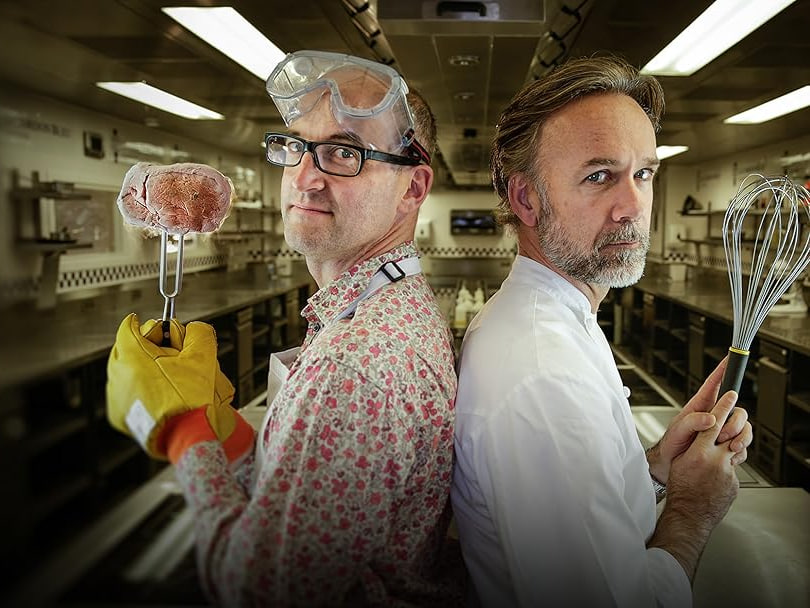
Mark Miodownik has made a crucial contribution to the fields of materials science, engineering, and the public popularisation of science. After earning his PhD in Metallurgy from Oxford, he started as a specialist in high-temperature alloys for turbine engines. However, his interests soon expanded to include research into self-assembling and self-healing materials, as well as the psychophysical aspects of material perception. Beyond his scientific activities in England, Ireland, and the US, he has gained widespread renown as a broadcaster and science writer. Mark Miodownik was also included in The Times’ list of the 100 most influential people in British science.