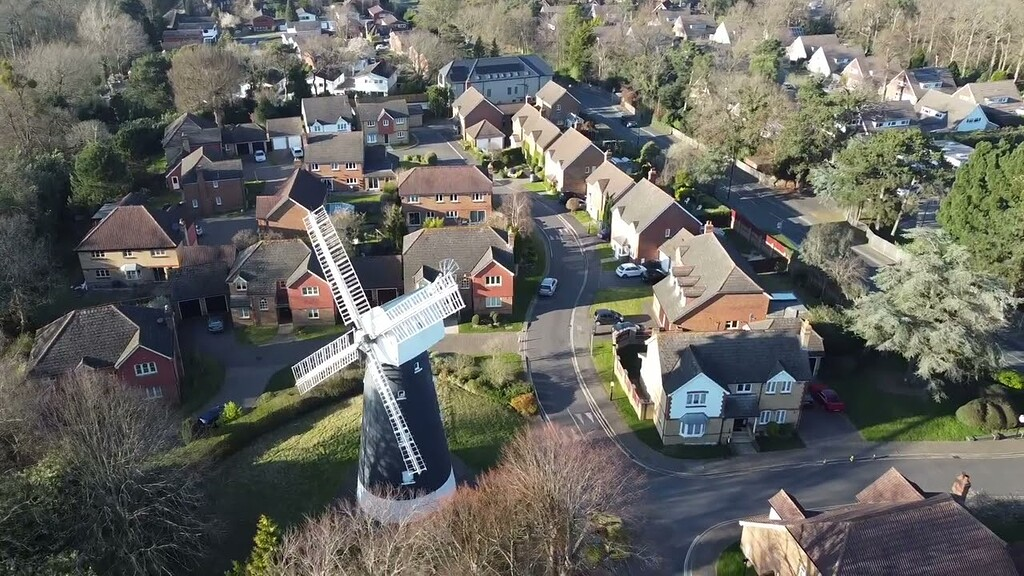
Towering above the modern housing of South London stands Shirley Windmill. Having braved the elements and the encroachment of urbanisation, it has risen from the ashes time and again thanks to the dedication of heritage defenders. Over time, the mill has evolved from a relic of craftsmanship into a vital hub for education and tourism. Read more at londoname.
The History and Development of Shirley Windmill
In 1854, the original post mill in Shirley was completely destroyed by fire. That same year, Richard Alwen initiated the construction of the current Shirley Windmill on the site. The project, costing £2,000, resulted in a five-storey brick structure standing nearly 17 metres high. The massive tower measures approximately 6.5 metres in diameter at the base, tapering to 3 metres at the cap.
Despite stiff competition, the Alwen family successfully operated Shirley Windmill for several decades. By the late 1880s, ownership had passed to Alfred Rayson, who shifted production exclusively to animal feed. Following his death in 1892, the structure was abandoned and gradually fell into disrepair.
Nature took its toll on the landmark as well. Lightning struck the mill in 1899 and again in 1906. Only the swift action of the Croydon Fire Brigade prevented total destruction. While the tower itself remained intact, the sails and the fantail suffered significant damage.
In the 1920s, rapid suburban expansion threw the existence of Shirley Windmill into doubt. Fortunately, George Givan, a wealthy local resident, purchased the land and the mill to save it from demolition. In 1927, he began restoration work, replacing four sails and the fantail. However, a storm in late 1935 tore off one of the restored sails, prompting a more comprehensive restoration project between 1935 and 1936.
In 1951, the Croydon Corporation acquired Shirley Windmill and the surrounding grounds, building the John Ruskin School on the site. Although demolition was briefly considered, the threat was averted. The local council assumed responsibility for its maintenance and periodic restoration.
In 1990, the John Ruskin School was demolished, and part of the land was sold by Croydon Council to a developer. This led to the creation of Postmill Close and the residential housing that now surrounds Shirley Windmill. Proceeds from the land sale were ring-fenced for the mill’s restoration, leading to a long-term strategy to preserve it as a cultural asset. Thanks to a £218,000 grant from the Heritage Lottery Fund, extensive restoration work was carried out to transform the site into a multimedia visitor and education centre. Furthermore, the Council agreed to fund additional external repairs to the windmill in 2004.
Legacy and Significance
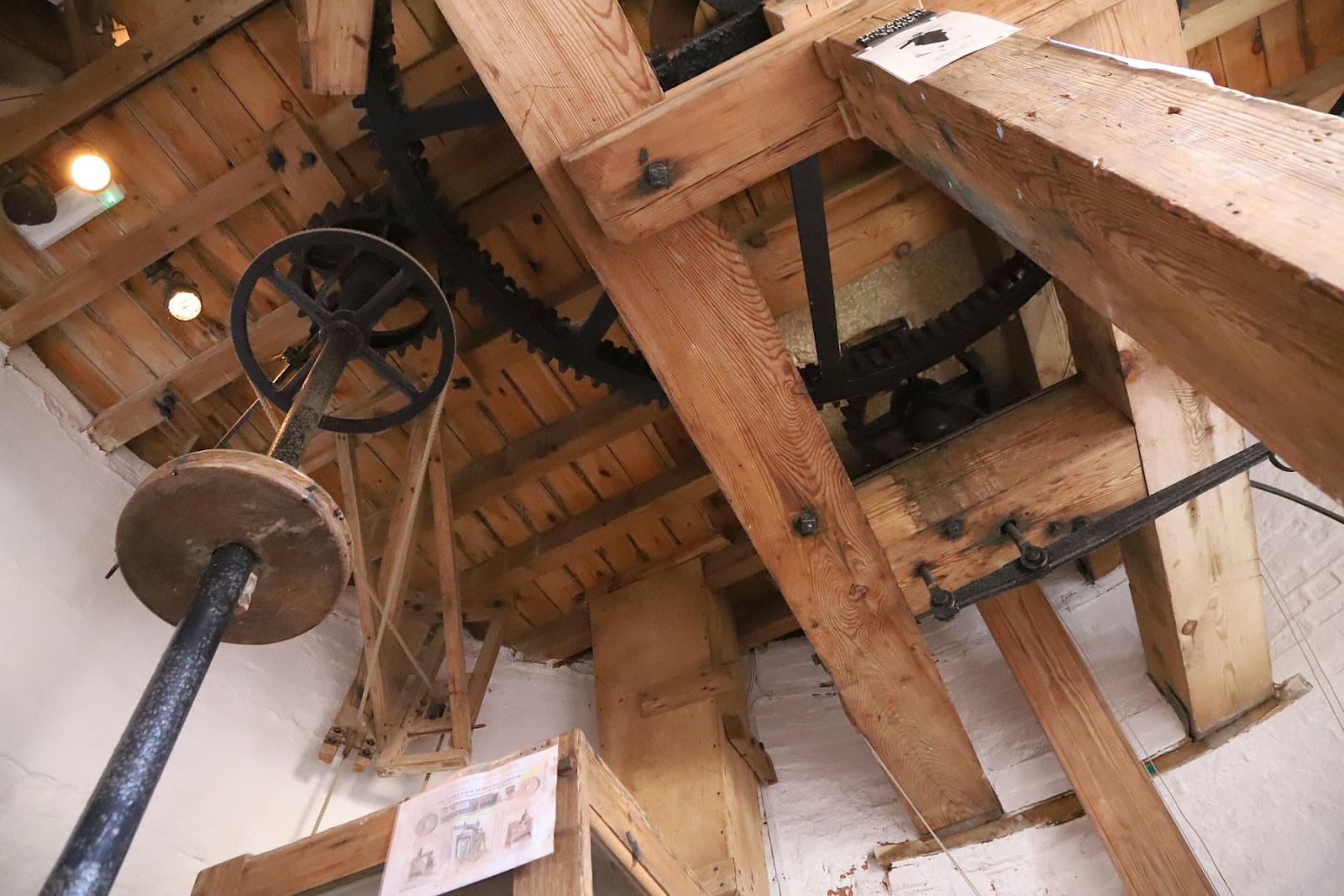
Having survived fire, natural disasters, and urban sprawl, Shirley Windmill stands as a remarkable example of Britain’s industrial heritage. Its construction and materials—advanced for their time—ensured its durability and functionality. Millers such as Richard Alwen, Thomas Dives, and Alfred Rayson kept the production of flour and animal feed going for years. Today, thanks to the tireless efforts of enthusiasts and The Friends of Shirley Windmill, it remains open for tours. As a Grade II listed building, the mill has received official recognition for its historical and architectural significance.