

We all know that London is one of the most famous cities in the world. The history of its development is simply amazing. It can boast of the best scientists, athletes, doctors and entrepreneurs. They contributed to the rapid processes of urbanisation and globalisation. However, while developing the economic and industrial spheres, people usually harm nature. Water has always been one of the most important components ensuring the life of the city. What is the condition of London’s reservoirs? Is the main river of the city, the Thames, polluted? What measures are being taken to improve water quality in London? Learn more at londonname.
Very dirty story
In the modern world, the River Thames remains one of London’s gems. It is a centre of trade, a source of water and a venue for many festivals and shows. However, its history is greatly associated with dirt and garbage. For a long time, households and industrial objects threw waste in the Thames. The banks of the river turned into a huge garbage dump with faeces and rotten debris. The reservoir smelled so bad that sometimes people avoided approaching it. The situation became even worse in the middle of the 19th century when the city began to develop at a rapid pace and the number of its inhabitants gradually increased. Then the city built new factories and introduced the first toilets. However, all those innovations contributed to an increase in the amount of waste entering the Thames. The terrible water quality was closely linked to the outbreak of epidemics. The Thames was one of the main causes of the cholera spread in 1831 and 1854.
An important step towards overcoming this problem was the adoption of the Metropolis Water Act. According to it, water had to be filtered and its use for domestic purposes was prohibited in the lower part of the Thames. Although such regulations were very important, significant changes could be seen only in 1858. Later, the city developed modern cleaning systems and most importantly centralised sewerage.
General state of the river in modern London
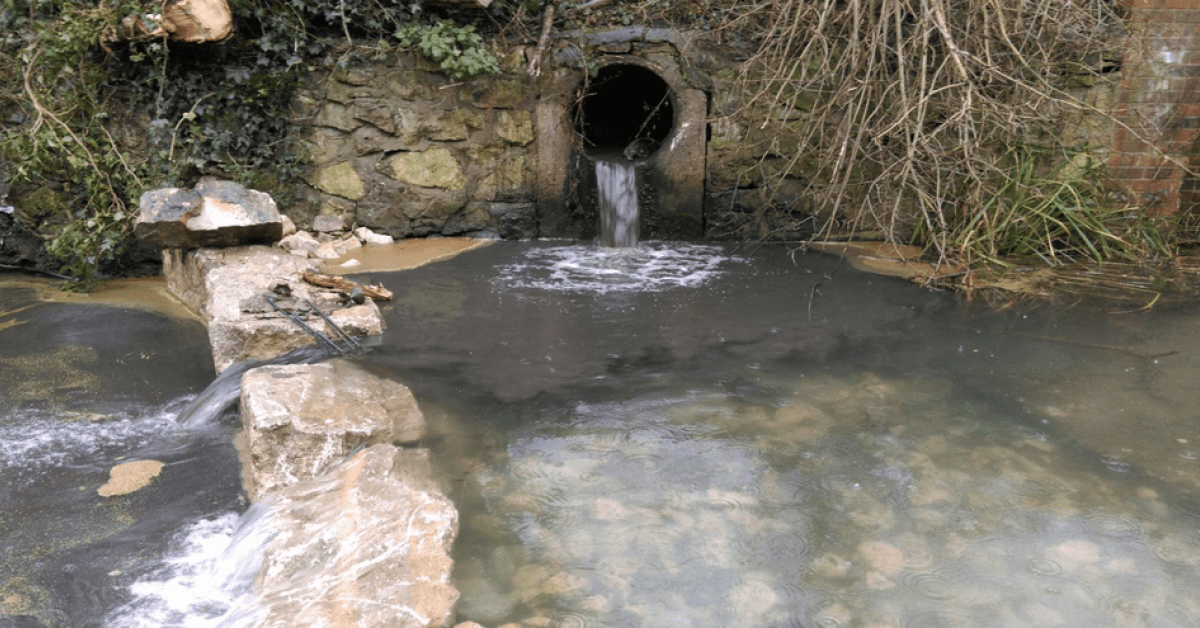
Although water from the Thames has been used for a variety of domestic purposes throughout history (including cooking), it can’t be consumed unfiltered. The river’s water is a mixture of fresh and saltwater, so it is not suitable for drinking. A large amount of rainwater entering the sewers is also a big problem. Thus, the Thames Tideway Tunnel was developed to prevent negative consequences. Its construction was completed in March 2024. This combined sewage collector runs directly under the river. Thanks to this, the amount of sewage and rainwater has been greatly reduced in the Thames, which helps to improve the quality of water in the river.
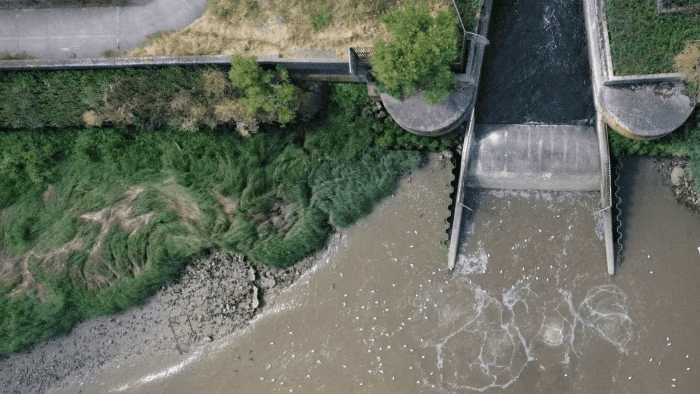
Although the problem with rainwater and sewage can be considered solved, the quality of water in the river still isn’t perfect. It often becomes polluted with sewage from agricultural facilities, industry and transport routes as well as bacteria and parasites from livestock and other animals. The most difficult thing to deal with is road runoff. Pollutants accumulate on the city roads in dry weather and are washed into the river during rains. Particularly dangerous is oil, which leads to the dying-out of many representatives of the aquatic world. In addition, few people know that their household appliances (dishwashers, sinks and washing machines) are incorrectly connected to sewerage. Thus, the waste ends up in the Thames. Both government representatives and ordinary residents are trying to overcome these difficulties. However, the results aren’t always positive.