

Sewerage has always remained a topical issue for many European cities. In the 19th century, most of them already had developed production, established the transportation system and the cultural sphere experienced prosperity. But at the same time, their sewerage system was in a terrible state for quite a long time. Such a problem has accompanied the residents of London at different times. Although, back then, the capital of Great Britain was not as popular as it is nowadays, it was one of the most developed cities in the world. In addition, London frequently suffered from epidemic outbreaks. The solution to that issue, first of all, consisted in the adjustment of the sewerage system. Learn more about the main features of its construction and its general condition in the 19th century. Learn more at londonname.
Prerequisites for creating sewerage
Probably everyone heard that in the olden days, Londoners walked around the city with umbrellas and hats in any weather. They risked their being showered with sewage every day because people often poured out their night pots from the balconies. There is no need to mention the constant terrible stench on the street. So, the lack of centralised sewerage was one of the main problems in the city. At the beginning of the 19th century, the River Thames served as the final destination of sewage flows. That led to periodic outbreaks of serious diseases. It is also interesting that for quite a long time doctors blamed poor air quality as the main cause of epidemics. Later, people finally understood that such problems can be eliminated by following simple rules of sanitation and hygiene and that most diseases develop into mass epidemics due to the spread of infections and microorganisms.
Development of sewerage
In general, the first developments regarding the creation of centralised sewerage appeared in the early 1700s. However, no one was in a hurry to turn those ideas into reality until the summer of 1858. It went down in history under the name the Great Stink. Huge piles of faeces and other waste formed near the banks of the Thames and melted under the hot sun emitting an unbearable smell. The invention of new flushing toilets and public restrooms also contributed to such a situation. On the one hand, it significantly improved Londoners’ lives, and on the other hand, due to such modernisations, sewage pits overflowed extremely quickly. Then all the excess fell into the ditches and, combining with other industrial waste, flowed into the Thames. Only after the outbreak of epidemics and a large-scale exodus of people from London did Parliament decide to develop a modern sewerage.
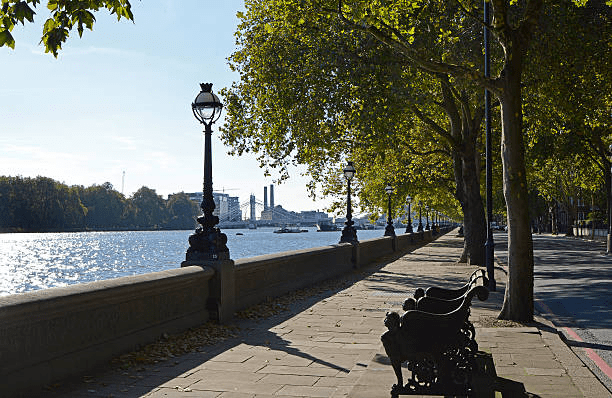
Engineer Joseph Bazalgette played a major role in its creation. As a result, the city acquired underground sewerage with outlets to the mouth of the Thames. Everything was designed in such a way that the main flow was located far from populated areas. In total, Londoners built six main collectors, the length of which reached 160 kilometres, and developed technologies for the tunnels strengthening. Several pumping stations were also created to ensure its flow by raising the water level. The opening of the Thames Embankment in 1870 became the most significant and well-known event in that story. According to the plan, one of the sewerage branches was laid under it. Later, that place became the centre of cultural, sports and recreational life of the city. The system exists till nowadays, but, of course, it was repeatedly modernised.