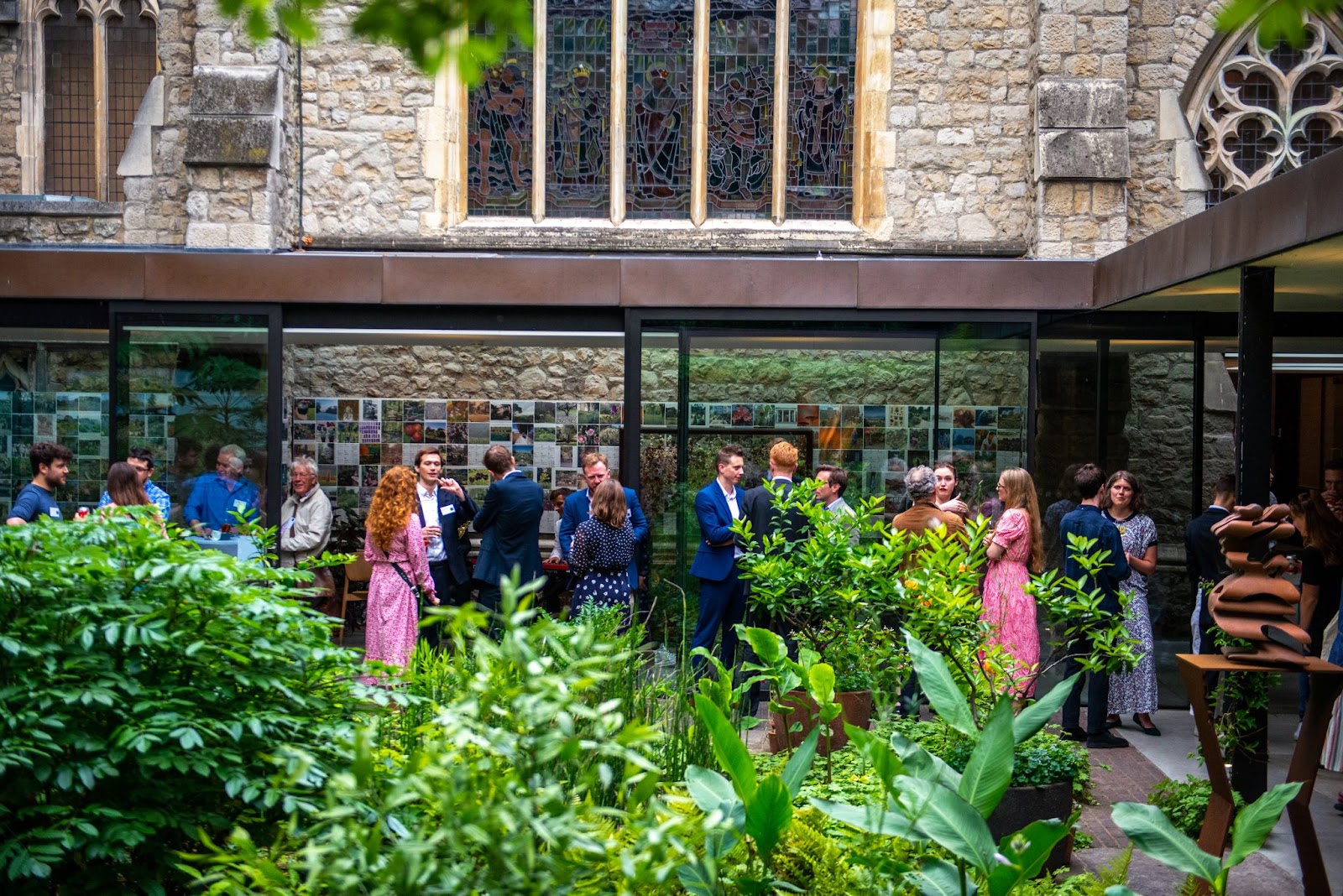
Green Alliance, an independent charitable think tank, has successfully carved out a vital role in shaping the UK’s state environmental policy. By uniting government officials, scientists, and the public, it works towards a shared vision: a sustainable future that exists in harmony with the natural world. Read more at londoname.
The History and Development of Green Alliance
Green Alliance was founded in 1979 to inject an ecological perspective into British political discourse. Initially, it sought to create a platform uniting representatives from across the political spectrum, professional spheres, and the scientific community. Relying on its multidisciplinary nature, the organisation focused on fostering dialogue and collaboration.
By the 1980s, Green Alliance had achieved unprecedented success in influencing the environmental policies of all major UK political parties. During this period, it also became the first entity in the country to raise concerns about the potential environmental threats posed by genetically modified organisms (GMOs). The organisation spearheaded the assessment of associated risks, laying the groundwork for future state regulation in this area.
In 1998, Green Alliance launched Green Globe, a network of foreign policy analysts. It established itself as a global environmental and social sustainability programme for the travel and tourism industry. This initiative garnered support from key government bodies, including the Foreign Office, the Department for International Development, and the Department for the Environment.
In 2013, Green Alliance played a pivotal role in shaping reforms aimed at improving energy efficiency within a new energy market framework. It also served as a platform for high-level political speeches by EU Commissioner Connie Hedegaard, Deputy Prime Minister Nick Clegg, and Shadow Chancellor Ed Balls. The heightened attention from such key figures underscored the growing significance of the organisation’s conservation policy work.
In 2015, Green Alliance succeeded in uniting the leaders of Britain’s three main political parties—David Cameron, Nick Clegg, and Ed Miliband—around a joint climate declaration. This consensus paved the way for the country’s successful participation in the Paris Summit, where global commitments to curb climate change were endorsed. Consequently, the government announced a future phase-out of coal and subsequently officially signed the Paris Agreement.
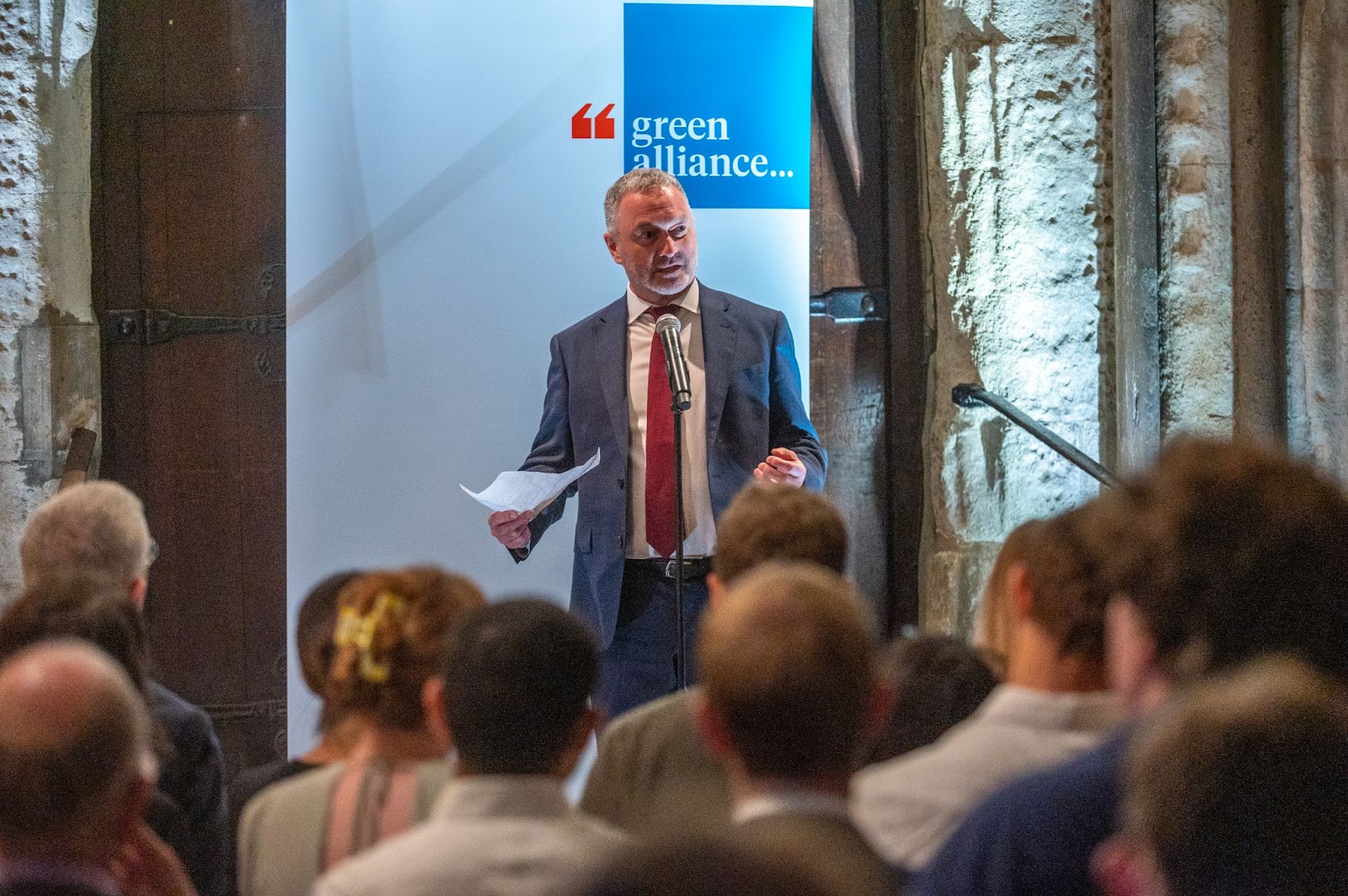
Green Alliance celebrated its 40th anniversary in 2019. To mark the occasion, a gala event was held at the Wallace Collection, bringing together partners, supporters, and colleagues. The celebration provided an opportunity to reflect on decades of active engagement while discussing future challenges and prospects in the lead-up to the UN Climate Change Conference in Glasgow.
Recognition and Significance of Green Alliance
Over more than 40 years, Green Alliance has established itself as one of the UK’s most influential environmental think tanks. Its team includes renowned ecologists and analysts such as Shaun Spiers, Jenny Baker, Blanche Shackleton, Chris Venables, and Roz Bullied. Furthermore, the organisation collaborates with authoritative institutions like Greenpeace, the European Climate Foundation, the Institute for European Environmental Policy, The Waterloo Foundation, and the Network for Social Change. Its achievements have been recognised with the Prospect Think Tank Award, the title of Think Tank of the Year, and the award for Best Environmental Campaign by a Non-Governmental Organisation.