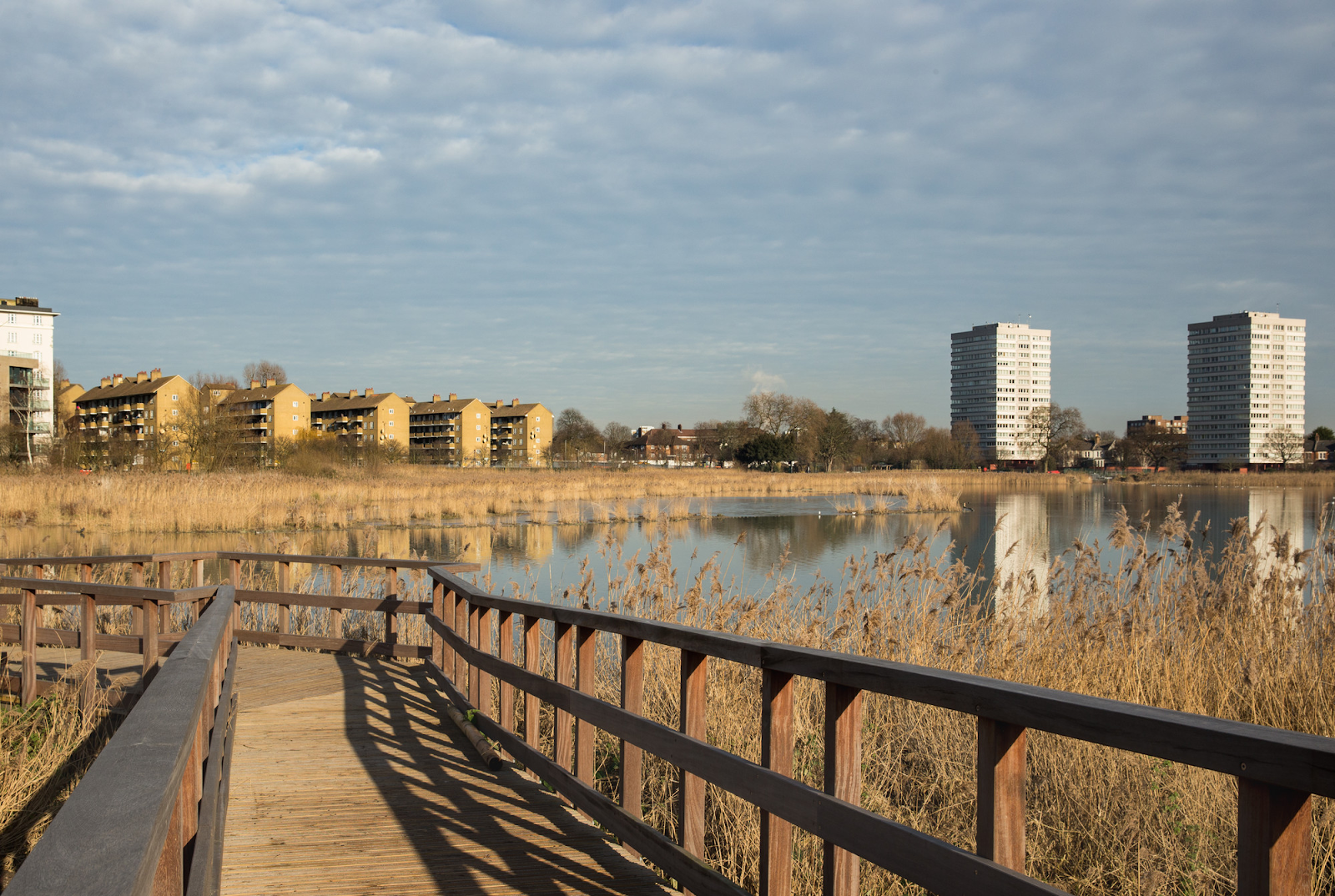
Woodberry Wetlands stands as a prime example of transforming an industrial site into a thriving nature reserve in London. While serving as a living reminder of the area’s industrial past, it is gaining popularity as a hub connecting wildlife with the community. Read more at londoname.
The History and Development of Woodberry Wetlands
In 1833, the New River Company constructed the Stoke Newington East and West Reservoirs to supply quality drinking water to London’s growing suburbs. They were fed by the New River, an engineering feat designed by Sir Hugh Myddelton to bring water from natural springs into the city. Perched atop a hill, the reservoirs’ foundations were laid using bricks reclaimed from the Old London Bridge.
From the mid-19th century, the area surrounding the Stoke Newington reservoirs began to transform into a prestigious suburban district. Elegant Victorian and Edwardian mansions with sprawling gardens and picturesque views sprang up along the banks. Manor House and Woodberry Down gained status as elite residential enclaves, welcoming the upper echelons of the capital’s society.
However, two world wars significantly altered the social landscape of the Stoke Newington reservoirs. With many homes destroyed or abandoned, the former suburban grandeur gradually faded. After purchasing the Woodberry Down land, the Greater London Council launched a massive new project. A housing estate of the same name was built on the north bank to provide homes for residents from the capital’s slums and docklands.
In the latter half of the 20th century, the reservoirs underwent further changes. The water began to be treated with chlorine and sodium phosphate for “purification,” leading to a loss of biodiversity and the complete disappearance of wildlife in the area. At the same time, the Woodberry Down estate suffered from neglect and chronic underfunding, further complicating the situation for local residents.
In 1992, the newly privatised Thames Water put the Stoke Newington reservoirs up for sale. Plans were afoot to drain and build over them, but thanks to fierce resistance from the local community, the project was halted. As chlorine and sodium phosphate were no longer used for water treatment, the ecosystem began a gradual recovery.
A new chapter for the reservoirs began in 2007 when the London Wildlife Trust established a community garden in a quiet corner of the site. Within three years, a major transformation into a nature reserve was underway. These efforts culminated in 2016 with the opening of Woodberry Wetlands—a new wildlife oasis in an urban setting. Following extensive restoration, the public was finally able to explore its natural beauty freely.
The Legacy and Significance of Woodberry Wetlands
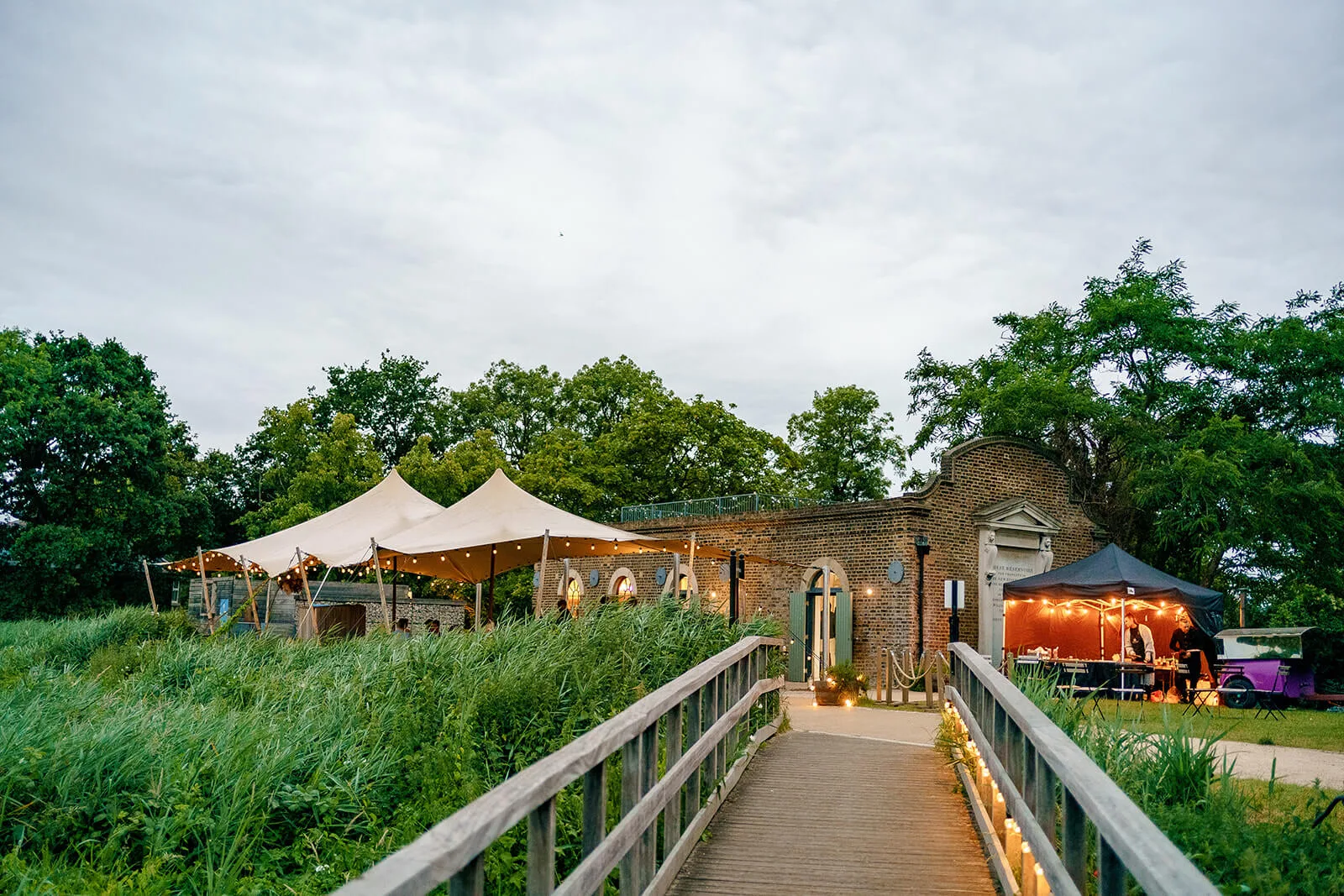
After decades of degradation and habitat loss, Woodberry Wetlands has been given a new lease of life thanks to the efforts of the local community, conservation organisations, and city initiatives. The large-scale restoration has not only brought back lost flora and fauna but also opened up a space for public recreation. The site is now a haven for numerous waterbirds, including mallards, tufted ducks, common sandpipers, and terns. The wetlands attract amphibians like frogs and newts, as well as many invertebrates such as dragonflies and butterflies. Meanwhile, boardwalks, an education centre, cafés, and classrooms draw visitors of all ages.