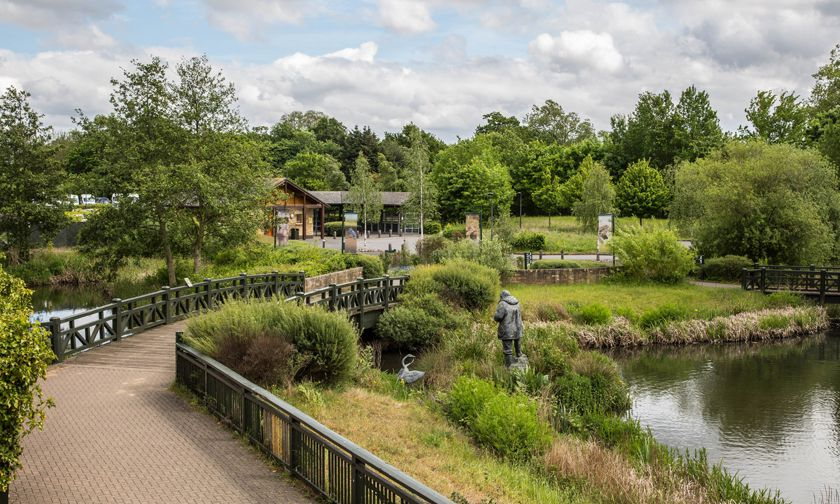
Thanks to the efforts of the Wildfowl and Wetlands Trust, a cluster of once-derelict Victorian reservoirs in the capital has been transformed into a thriving nature reserve. This vision gave rise to the WWT London Wetland Centre—an ecological haven designed to support endangered wildlife. It has not only restored a vital natural habitat but has also become one of London’s most cherished green spaces. Read more at londoname.
The History and Development of the WWT London Wetland Centre
The WWT London Wetland Centre opened its doors in 2000, turning obsolete reservoirs into flourishing wetlands. The regeneration project began in 1995, involving extensive site clearance and landscape repurposing. Coordinated by specialists from the Wildfowl and Wetlands Trust (WWT) and Berkeley Homes, the infrastructure was designed to balance visitor comfort with environmental stewardship. Over several years, tens of thousands of trees, aquatic plants, and wildflowers were planted by hand. Bridges, boardwalks, bird hides, and sluices for water management were meticulously installed.
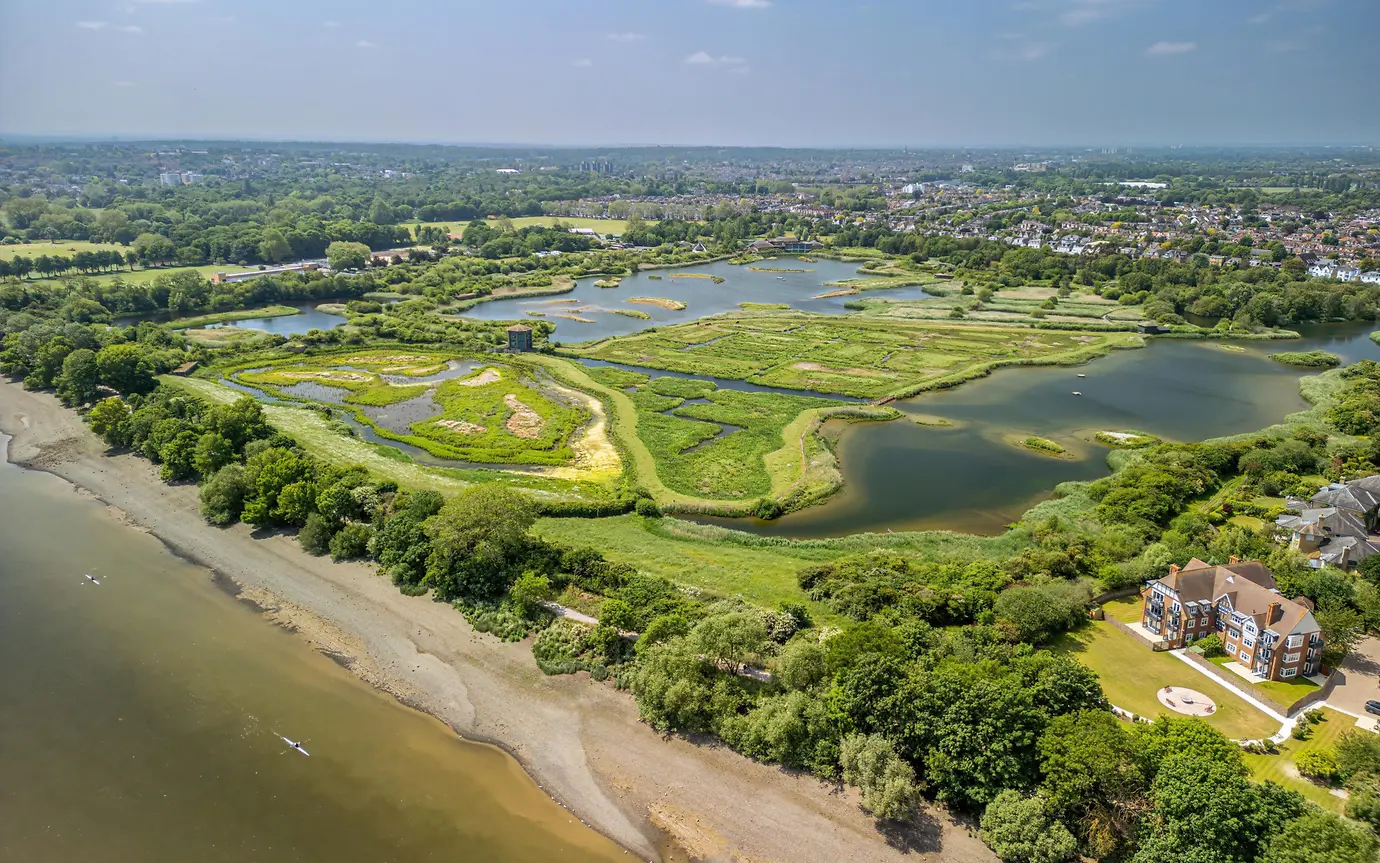
Upon opening, the Centre became the largest man-made wetland in any capital city in the world. It immediately began serving not just as a picturesque nature spot, but as a sanctuary for countless birds, mammals, amphibians, reptiles, and insects. By 2002, the site was officially designated a Site of Special Scientific Interest (SSSI). Sir David Attenborough, who had the honour of opening the reserve, famously described it as “an extra lung for London”.
In 2015, the WWT London Wetland Centre launched a critical initiative to save Baer’s pochard—a rare duck species teetering on the brink of extinction. The sharp decline in numbers was attributed to habitat destruction, poaching, and the loss of clutches. Developing a robust action plan, the team actively engaged with governments, rallied conservation organisations, and rolled out awareness campaigns. This coordinated effort successfully highlighted the perilous situation and kickstarted the population recovery process.
In 2019, the Centre joined the “Inspiring Generations” project, the primary goal of which was to connect children from disadvantaged backgrounds with nature. Supported by HSBC, over 75,000 schoolchildren visited wetland centres, immersing themselves in observing natural phenomena, exploring ecosystems, and participating in engaging outdoor eco-sessions. This approach helped break down the barriers preventing young people from deprived areas from feeling a connection to the natural world.
In 2023, the WWT London Wetland Centre launched the “Blue Influencers Scheme”, aimed at tackling acute environmental challenges facing coastal communities. Key threats include flooding, rising sea levels, and coastal erosion, all of which carry significant economic and social consequences. The project targets young people aged 10–14 living in vulnerable coastal, river, and estuary areas. It is designed to teach children not only to understand nature but to actively shape an environmentally responsible future themselves.
Recognition and Significance of the WWT London Wetland Centre
The WWT London Wetland Centre plays a pivotal role in both national and international nature conservation initiatives. It has evolved into a unique environment where hundreds of bird species, dozens of dragonfly species, and numerous amphibians and mammals coexist. The organisation also serves as a major educational hub, offering programmes for schools, universities, and the general public. In 2012, it was honoured as the UK’s favourite nature reserve by the readers of BBC Countryfile Magazine.