

London, a sprawling metropolis home to over 9 million residents, faces a growing challenge. An expanding population, burgeoning industries, and high energy consumption are all contributing to issues with air quality and climate change, making the need to slash its carbon footprint more pressing than ever.
In the 21st century, the drive towards a cleaner, more sustainable London has become a cornerstone of city policy. Authorities are rolling out a raft of strategies aimed at energy saving and curbing greenhouse gas emissions caused by human activity. More on this at londoname.
London’s Clean Air Strategy
A key method for making London more sustainable involves rigorous air quality control, both outdoors and indoors. This means deploying advanced air filtration systems, alongside regular maintenance and monitoring. Timely upkeep of heating, ventilation, and air conditioning (HVAC) systems is paramount for good air quality. Effective air quality control will help reduce energy consumption, cut greenhouse gas emissions, and boost Londoners’ well-being.
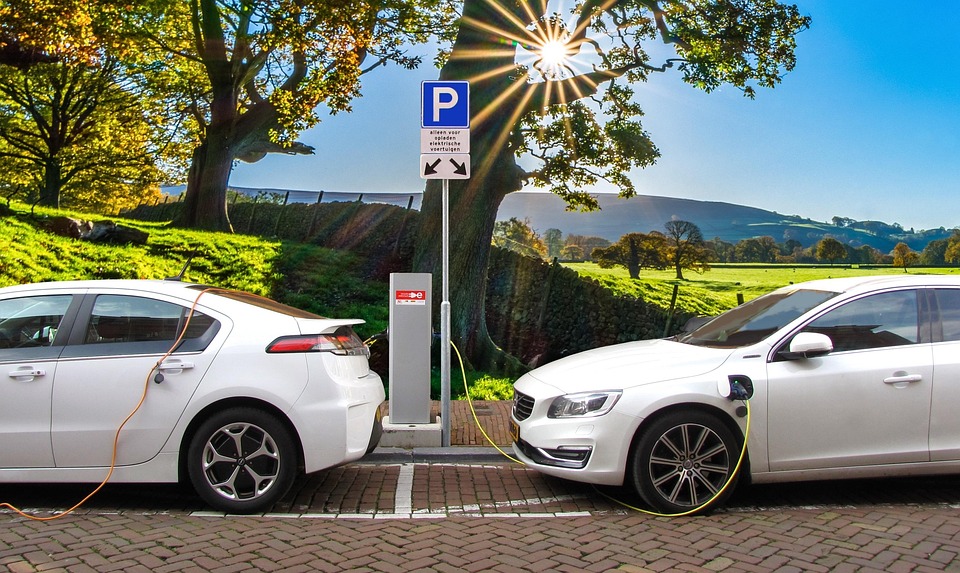
Another crucial step to improving air quality is to get more cars off the roads. London is achieving this by expanding its public transport networks – buses, trams, and trains – making them accessible to everyone. The aim is for all vehicles to be zero-emission by 2033, building on the Ultra Low Emission Zone (ULEZ) introduced in 2019. This restriction on high-emission vehicles has already seen a 44% reduction in central London. Plans are afoot to extend the scheme across the entire city. This isn’t just a simple plan; it’s a comprehensive strategy geared towards achieving net-zero carbon emissions by 2050. The city is also expanding its green infrastructure, including parks, green spaces, and special carbon-capturing green roofs.
Beyond transport, the focus is shifting to other areas. Initiatives are underway to clean up the air around schools, though this requires significant infrastructural changes. Investments are also being made in crucial Sustainable Drainage Systems (SuDS). Modernising sewage systems will prevent untreated waste from being discharged into the River Thames. These efforts clearly show London’s transformation into a more environmentally conscious city.
The City’s “Green” Technologies
“Green” buildings are gaining increasing importance in London as people become more aware of the negative environmental impact of conventional construction. Londoners are increasingly opting for eco-friendly buildings. These “green” structures are designed to have a minimal environmental footprint, reduce energy consumption, and positively impact residents’ health. The metropolis has already made significant strides in sustainable development through various initiatives, such as the London Climate Change Action Plan, but there’s still more to do, and “green” buildings will be instrumental in these efforts.
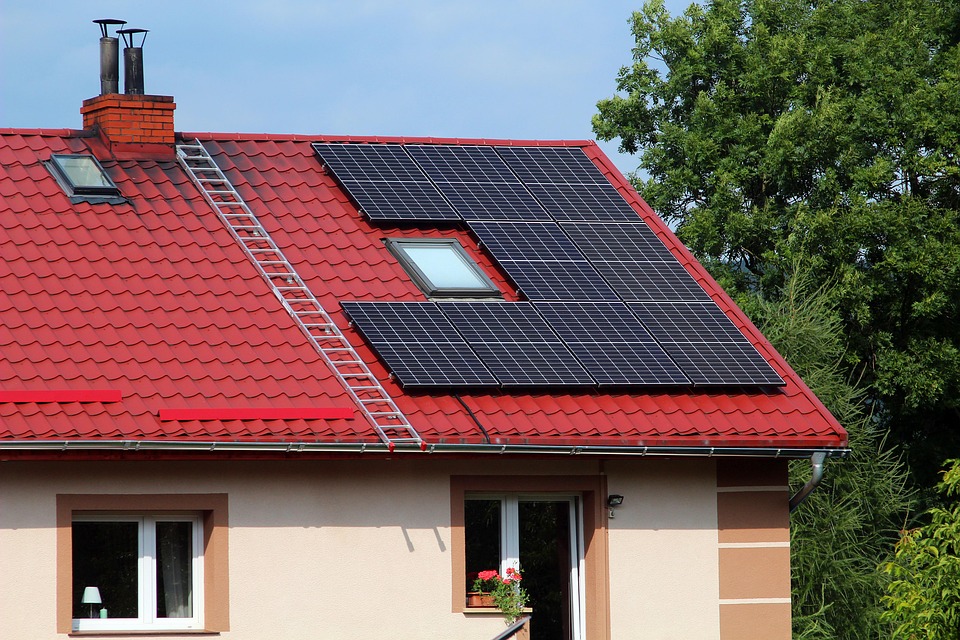
The use of eco-friendly materials and energy-efficient technologies will help create a sustainable and beneficial built environment for Londoners. The transition to such buildings is a complex process, but it’s essential for ensuring the city’s sustainable and environmentally clean future.
It’s worth noting London’s investment in renewable energy. This includes solar panels on rooftops, heat recovery systems, and geothermal energy. Thanks to the “Solar Together London” project, Londoners can receive financial assistance to install solar panels. Owning solar panels is considered a smart investment, as it not only saves money on electricity bills but also allows for earning from energy generation. Through this innovative scheme, London families can acquire high-quality panels. The Royal Borough of Kensington and Chelsea is partnering with the Mayor of London on this project.
City of London Initiatives
In 2020, the City of London Corporation adopted its “Climate Action Strategy,” outlining how it aims to achieve net-zero carbon by 2027 for its own operations, and by 2040 for all other activities, including investments and supply chains. This ambitious plan opens new horizons, enhances resilience to climate change, and fosters sustainable growth both within the UK and globally.
The strategy encompasses 13 projects with a budget of £68 million over six years. Of this funding, £15 million is specifically earmarked for preparing for extreme weather events. A detailed annual report is published on emissions reductions and progress towards these targets.
Crucially, energy saving efforts also involve informing and engaging Londoners. The “Warmer Homes Advice Service” programme aims to support families in saving energy in their daily lives, insulating homes, and purchasing energy-efficient appliances. They also provide guidance on water conservation and collaborate with a wide range of agencies to identify further support for Londoners.
Challenges and Prospects
Despite all these initiatives, London naturally faces challenges due to its high building density, older construction technologies with poor insulation, and the prohibitively high costs of modernising energy systems. The growing population also contributes to emissions. The city authorities are diligently working on a coherent policy to reduce the carbon footprint and achieve environmental conservation goals. The city is already serving as an example to others with its innovative solutions and citizen engagement.
In conclusion, London is actively working on energy saving and shrinking its carbon footprint. The city has made significant progress in reducing emissions, and the authorities continue to invest in energy efficiency and curbing transport pollution, steadfastly moving towards its net-zero carbon goal.
Used Sources:
- https://inyourtravel.com/how-can-london-reduce-its-carbon-footprint/
- https://www.unep.org/news-and-stories/story/london-aims-be-zero-carbon-city-2050
- https://www.londonfans.com/how-to-make-london-more-sustainable-creating-sustainable-london-the-role-of-green-buildings/
- https://www.cityoflondon.gov.uk/services/environmental-health/climate-action/climate-action-strategy
- https://www.london.gov.uk/md3085-additional-funding-warmer-homes-advice-service?ac-167520=167724
- https://www.rbkc.gov.uk/environment/climate-change/solar-together-london