

London, one of the world’s largest metropolises, faces a growing challenge from plastic pollution. The sheer volume of residents, tourists, and business activities is progressively contributing to this issue, impacting the health of Londoners. Every year, countless plastic products are used, with a significant portion ending up in our environment.
The city is actively working to reduce plastic waste through recycling programmes and various initiatives aimed at curbing plastic use. London is not standing idly by; it’s making decisive moves to diminish its plastic footprint. Find out more at: londoname.
The Scale of the Problem
The plastic problem in London isn’t just about unsightly litter marring the city’s beautiful spots; it poses a genuine threat to public health. Plastic waste, such as wrappers, coffee cups, and containers, is routinely found on the streets and in the River Thames. These items contain microplastics, which represent a slow, silent danger to people. Scientists are actively researching the impact of plastic on health, pointing to a direct correlation between environmental contamination and long-term health consequences. Microplastics can infiltrate our water supply and food chain, presenting a hidden danger. Annually, the average Londoner buys approximately 175 plastic bottles, amounting to billions across the city.
The River Thames is, regrettably, one of the most polluted rivers globally, with most of its debris originating from drinks and single-use plastic packaging. A study conducted by the Royal University of Galway, in collaboration with the Natural History Museum and the Zoological Society of London, revealed that up to 94,000 microplastic particles flow into the river every second. The ramifications of such plastic consumption are devastating; plastic has even been discovered in the stomachs of nine fish species inhabiting the Thames. This served as a crucial wake-up call for Londoners, signalling that environmental cleanliness must become a priority.
Furthermore, microplastic particles have been detected in London’s air. Annually, 335 million tonnes of new plastic are produced, with a large proportion finding its way into the environment. Most of these airborne particles were fibres, likely acrylic from clothing. Polystyrene and polyethylene particles accounted for 8% of the microplastics. Microplastic particles in London ranged from 0.02 mm to 0.5 mm, large enough to settle in the respiratory tract if inhaled. Smaller particles, however, can penetrate the lungs and bloodstream, posing a significant health risk.
Initiatives to Combat Single-Use Plastic
During his first term, London Mayor Sadiq Khan launched the “Refill London” initiative, which led to the installation of over 4,000 drinking fountains across the city. This brilliant idea has helped prevent the use of countless single-use plastic bottles. While the fountains were temporarily decommissioned during the COVID-19 pandemic, they were reactivated as restrictions eased. Between 2019 and 2021, over 100 additional fountains were added through a partnership with “Thames Water and the Zoological Society of London”.
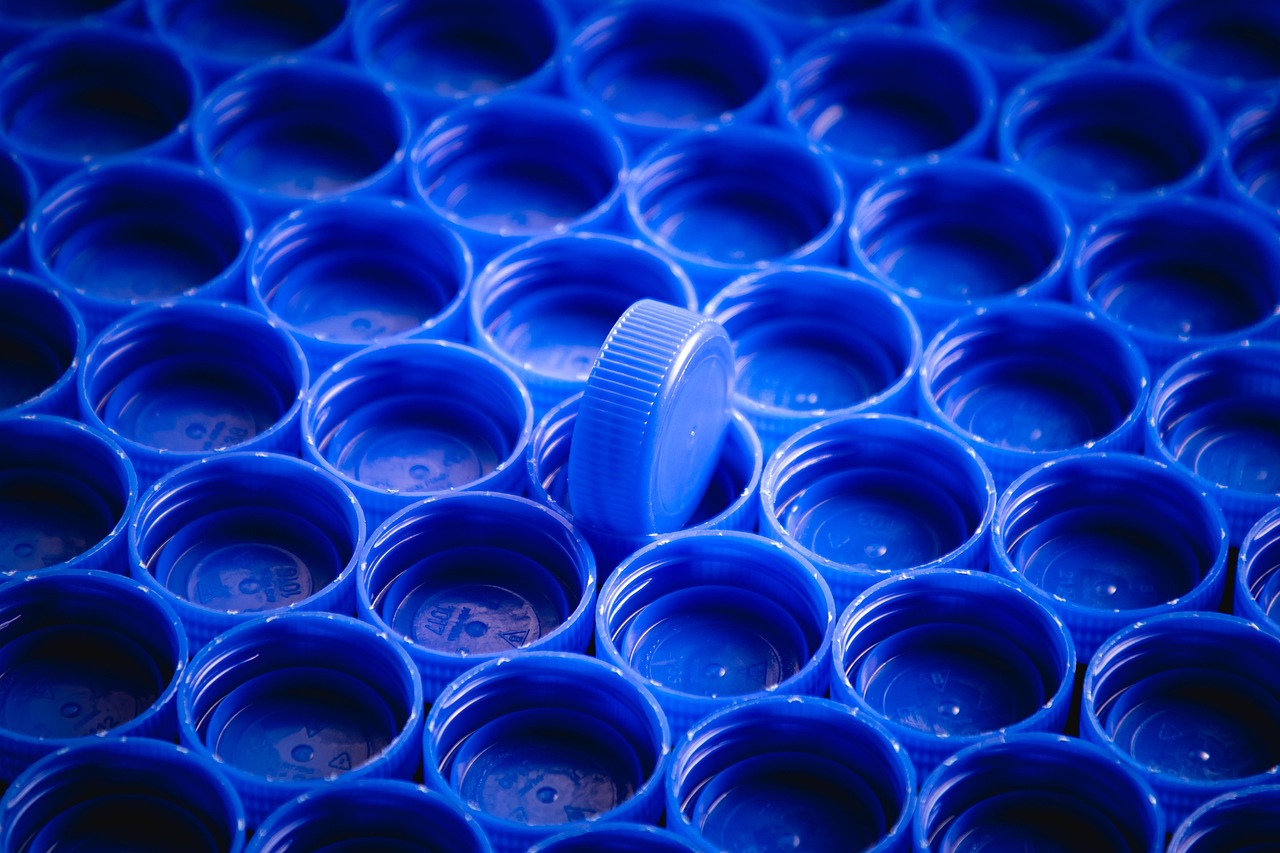
Following his re-election, the Mayor reaffirmed his commitment to advancing London’s environmental strategy, particularly concerning the reduction of single-use plastics. This commitment aims to help London become a zero-waste metropolis. Sadiq Khan continues to champion the “Green New Deal,” which focuses on creating green jobs for the future as part of the greening of the economy. A core emphasis remains on cutting down single-use plastic. This includes the “Better Futures” programme, which supports small and medium-sized enterprises offering Londoners alternatives to single-use plastic products. Also integrated is the “Estates of the Future 2030” programme, providing support to boroughs and local communities to stimulate action across five sectors, including establishing a circular, waste-free economy. Regarding plastic, innovative approaches are being developed to reduce waste consumption at a local level.
It’s worth noting that in June 2025, the “Single-Use Plastics Pledge” programme was initiated, promising to eliminate plastic from municipal services by 2030. Early adopters, such as Lewisham and Richmond, have already joined the project. They are actively encouraging residents to participate and are even organising “plastic fishing” events on local waterways.
On the corporate front, the City of London Corporation, for example, has implemented its “Plastic Free City” programme. They have made a firm decision to phase out single-use plastics in restaurants, cafes, hospitals, and offices within their jurisdiction. Official data indicates a remarkable reduction of 36 million single-use plastic items, including straws, plates, and forks.
Challenges and Prospects
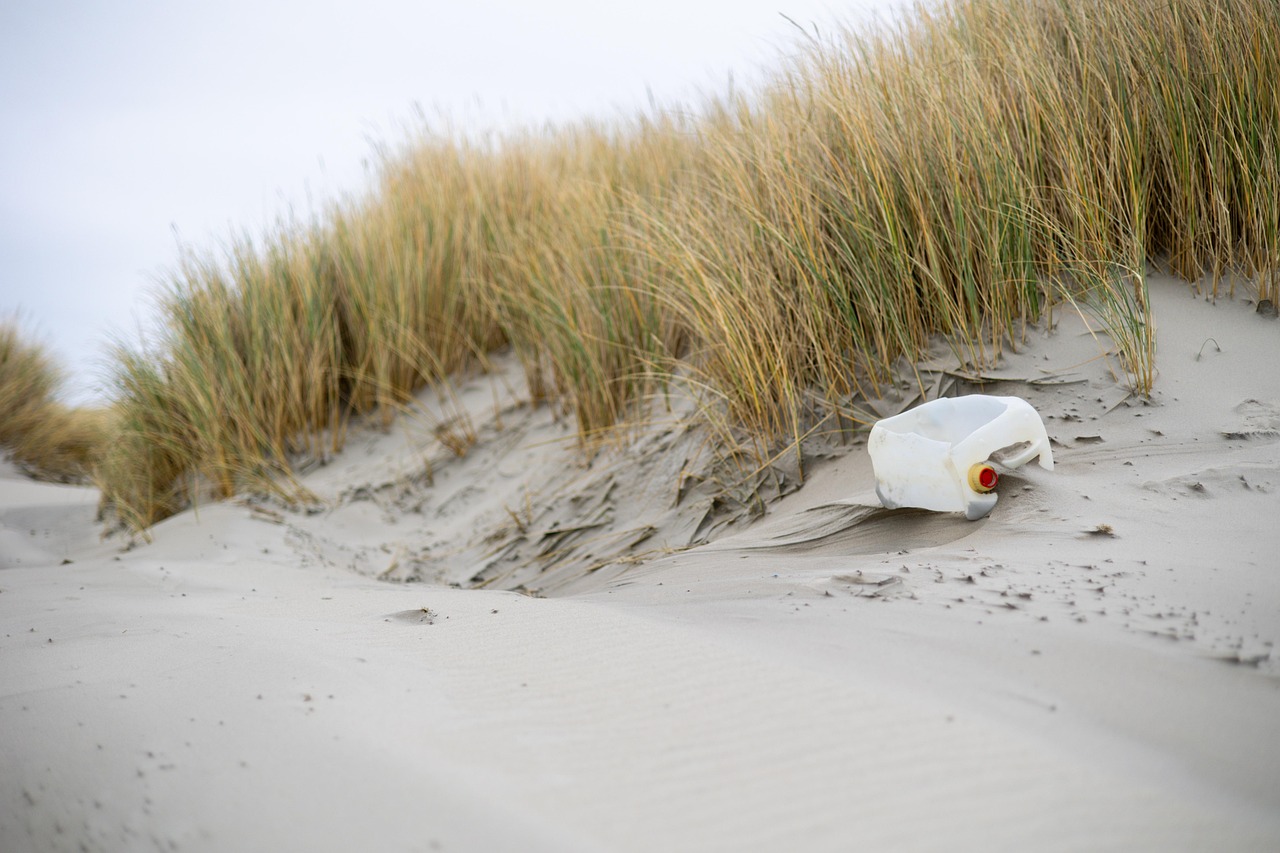
Despite excellent projects, diverse initiatives, and even progress in reducing plastic use, London still faces considerable hurdles. Only a third of plastic bottles are currently recycled, and delays in national schemes complicate efforts. The persistent presence of microplastic particles in the air remains a serious concern. Further research is essential to fully assess its impact on the health of Londoners.
Nonetheless, the capital is taking significant strides in combating plastic pollution. All these initiatives are safeguarding both people and the environment, particularly the River Thames. London serves as an admirable example for other cities, truly leading the way in environmental innovation.
Sources:
- https://news.cityoflondon.gov.uk/city-of-london-cuts-out-36-million-single-use-plastic-items/?utm_sourc
- https://www.london.gov.uk/who-we-are/what-london-assembly-does/questions-mayor/find-an-answer/plastic-free-london?utm_source=chatgpt.com&__cf_chl_tk=l02NswoWAiaSPPoSsklno1Xrr69.8_ty71wtg3Zzy5o-1752678257-1.0.1.1-F6ZxhAiIyvR9MrmAckxdvLfPGR_xeQuaCMzSN.31Vk4
- https://www.londoncouncils.gov.uk/news-and-press-releases/2025/launch-single-use-plastics-pledge?utm_source
- https://www.theguardian.com/environment/2019/dec/27/revealed-microplastic-pollution-is-raining-down-on-city-dwellers
- https://secretldn.com/river-thames-plastic-pollution/