

London can boast of not only double-decker red buses and unique historical sights but also amazing green areas. There are a lot of parks in the city where you can relax, spend time with children or simply be alone amidst natural surroundings. Greenwich Park is such a place. Its history dates back to the 15th century. The park features picturesque landscapes and is located next to the most famous reservoirs and architectural objects in the city. So, what does its history reveal and what are its main features? Learn more at londonname.
Interesting history of creation and further development
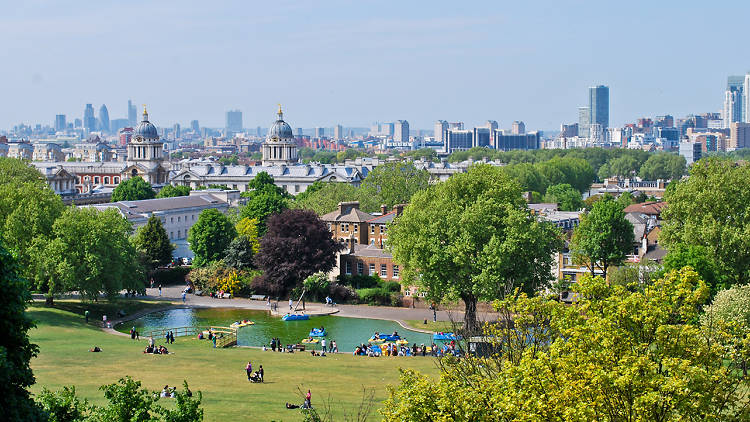
The history of the park began in 1427 when Henry VI gave this territory to his uncle. The park remained deserted for a long time and was originally used for hunting wild animals using trained birds of prey (also known as falconry). This activity was quite widespread among men of that period. In the next century, Henry VIII brought deer to the territory for hunting. Later, James I surrounded the park with a brick wall and commissioned a small ice house (a popular invention at the time that served as a modern refrigerator), which appeared on the park’s territory in 1619. The park finally ceased to resemble a desert only in the 17th century. Then the area acquired the first clear planning of green spaces. In the 18th century, Greenwich Park was open to the public. A little later, there was an idea to build a railway through it, but those plans were never realised. In general, this place was always admired by many. It features a beautiful view of the Thames and the whole of London. In 2020, the park received a grant to restore historic sites, provide better conditions for people with disabilities, build a learning centre and improve biodiversity.
Main features of the park
In general, the territory of Greenwich Park is rectangular. The park is located on two levels. The transition between them is marked by dips. The lower level is located in the northern part. There is a popular children’s playground, a lake and an orchard. Moving farther, you can see a steep rise up in the southern part. On top of the hill, there is one of the most famous places in London, the Royal Observatory. This part of the park also features a large duck pond, a rose garden, a cricket field and an enclosure where deer once lived. If you walk a little farther beyond the observatory, you can find the garden of the former royal astronomer. It is a peaceful place where people usually have picnics or spend time alone. In general, the large territory of the park allows you to engage in almost any hobby.
There are many opportunities for active recreation in the park. From different sides, it is crossed by paths that are perfect for running, rollerblading, cycling, scootering or doing other sports. Moreover, the park serves as a venue for many sports competitions and events. For example, the last stage of the Tour of Britain bicycle race was held here in 2006. In 2012, Greenwich Park hosted the Olympic equestrian events, but it later caused dissatisfaction among the city’s residents. Therefore, organisers found another place for horse riding competitions. The park is also one of the three start points of the annual London Marathon.