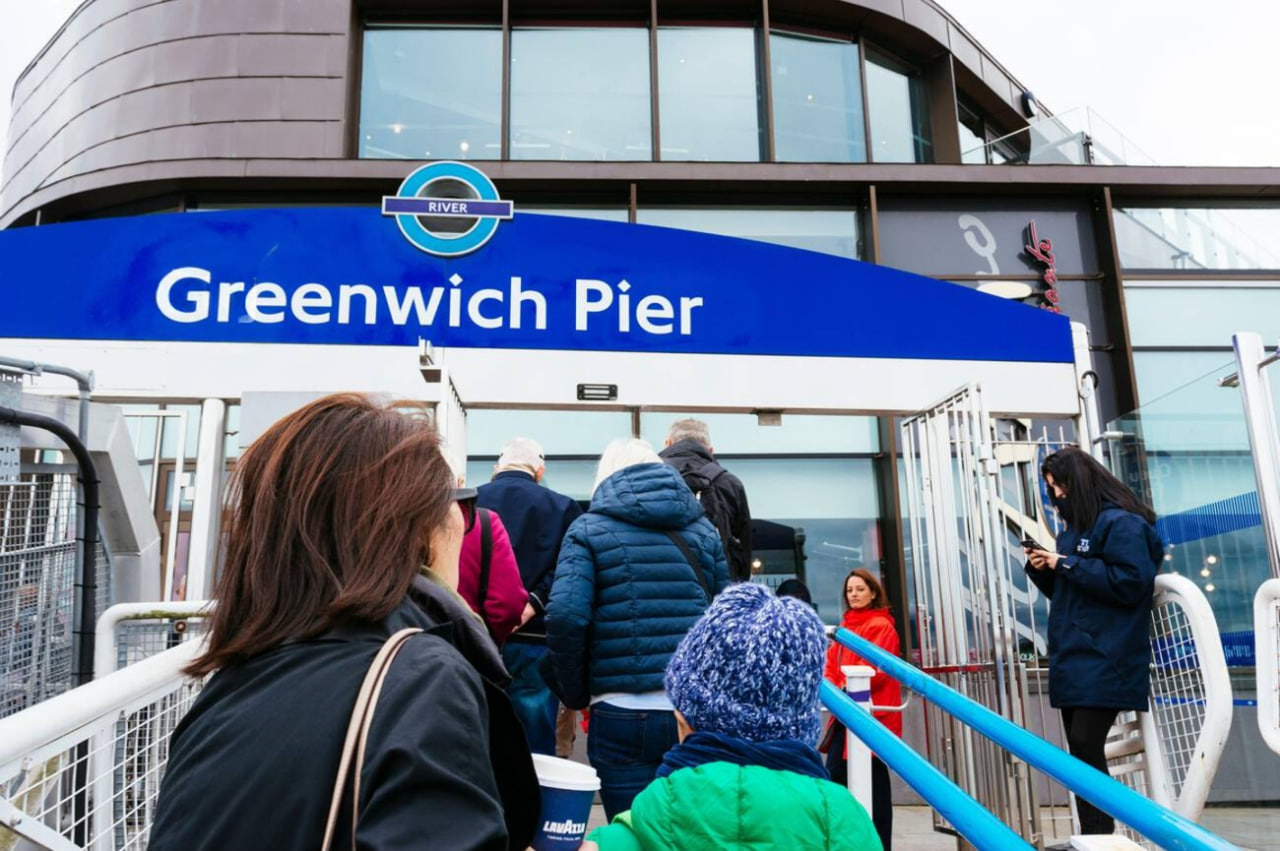
Greenwich Pier is a historic landing stage right in the heart of Greenwich, a spot that has welcomed travellers to the banks of the Thames for nearly two centuries. It’s an important transport hub that also boasts unique cultural and tourist appeal. Ultimately, the pier became the ideal gateway to the area’s most famous waterfront attractions. Read more about how its appearance and purpose have changed over the centuries on londoname.
The Foundation and Development of Greenwich Pier
The story of Greenwich Pier began back in 1836 when the first structure was built here to receive paddle steamers, which brought tourists and Londoners downriver for popular day excursions. By the mid-19th century, it was already operating busily but was also facing significant challenges. In May 1843, following dredging work, a section of the front collapsed, and the foundation developed a major crack. This incident was so high-profile that it was illustrated in the Pictorial Times.
The next major chapter in the life of Greenwich Pier came in 1954, when part of the upper platform had to be dismantled so that the legendary clipper, the Cutty Sark, could be moved into its future dry dock. Documents from the time indicated that the pier was constructed on a wooden base of massive, multi-layered beams reinforced with cast-iron piles. Inside, there was a seven-foot chamber of unknown purpose, and a large oval sewage pipe ran along the riverbank, passing directly through one of the supports.
In 1999, control of a number of London passenger piers, including Greenwich Pier, was transferred from the Port of London Authority (PLA) to London River Services. Then, in July 2000, this division became part of Transport for London (TfL), enabling river transport to be integrated into the city’s unified transport system. The subsequent appearance of the facility was largely shaped by a major renovation in 2004. An investment of £1.3 million allowed for significant structural upgrades, the modernisation of the passenger area, and improved safety. That same year, the pier installed the Ramp Rider, an innovative mechanism for convenient passenger loading onto vessels, marking it as the first in Europe to do so.
Greenwich Pier experienced a fresh wave of large-scale transformation in 2007 when Conran & Partners were granted permission for another renovation, this time costing £6 million. The plans included housing river transport ticket kiosks and three catering outlets. Additionally, the architects aimed to create a new public space—a viewing platform capable of accommodating the hundreds of thousands of people who embark on Thames journeys from the pier each year. With support from Stonehurst Estates, the designers used a maritime theme as a key element of the concept. The project drew inspiration from the silhouette of the Cutty Sark clipper, with the pavilions themselves planned to be built from copper and timber.
In 2024, Transport for London announced its plans for a modern refurbishment of Greenwich Pier. The need for an update became obvious after internal documents indicated that it was operating at a loss. The idea was to transform the underutilised pontoons into commercial spaces. Specifically, this meant retail outlets, exhibition areas, or even themed attractions that could attract more tourists and local residents. A separate point of discussion was the potential relocation of the pier from its current site. This issue sparked particular interest because Greenwich Pier was the only one of TfL’s piers that was held in place not by piles, but by a system of anchors and chains.
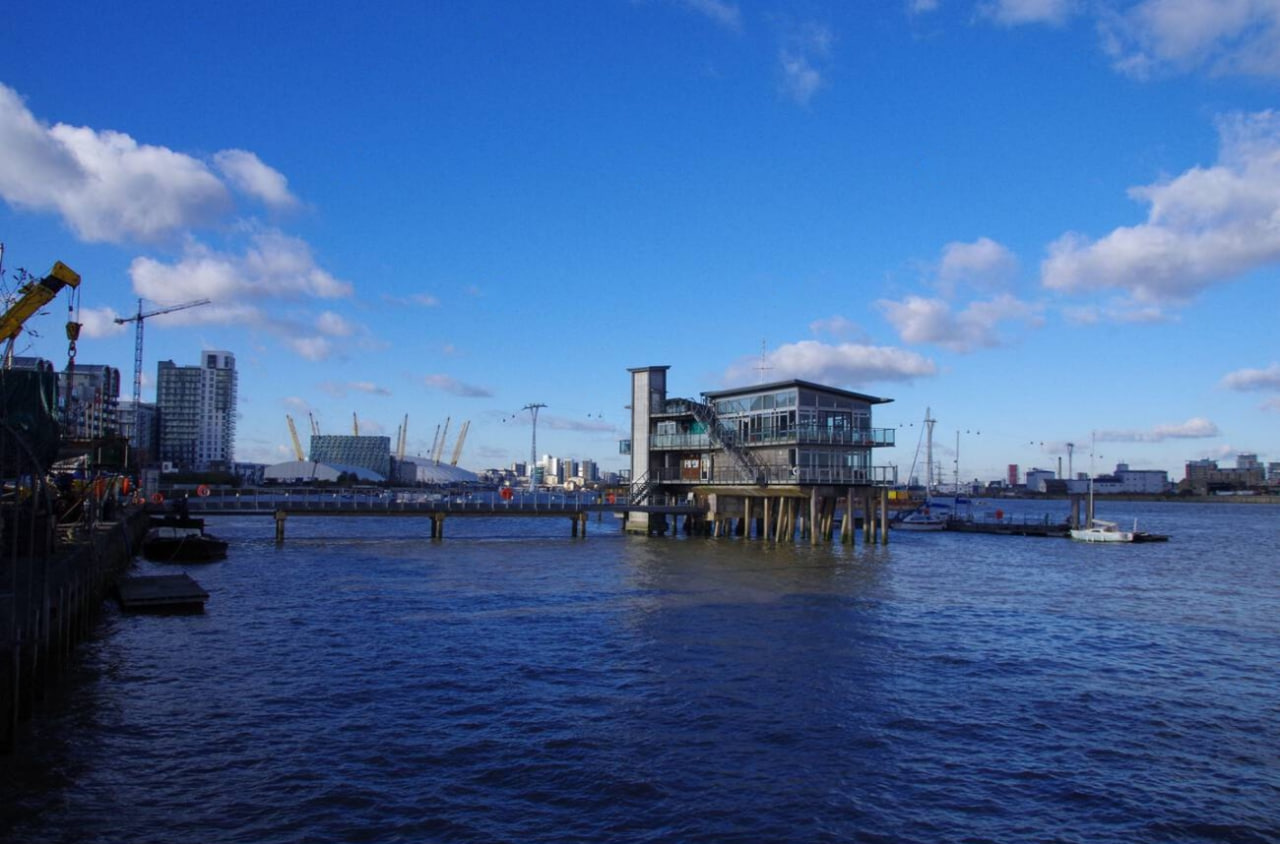
The Recognition and Significance of Greenwich Pier
Greenwich Pier holds a special place in the history of London’s river infrastructure, combining a nearly two-hundred-year engineering legacy with the role of a key tourist hub. Since its opening in 1836, it has played a vital part in the development of river transport, providing convenient access to Greenwich for thousands of visitors even in the age of steamships. Having survived accidents, rebuilds, and multiple waves of modernisation, the pier demonstrates a remarkable ability to adapt to the city’s new demands while maintaining its core functionality.