

Park · London · ⭐ 9.5/10 · 20264 reviews · updated: 2026-08-04 08:22:21
Address: London, United Kingdom
Hampstead Heath — 790 acres of unlandscaped high ground that London fought a century to keep
No gates, no railings around most of it, no closing time. The Heath sprawls across a sandy ridge in north London where springs break out of the hillside and feed a chain of ponds people still swim in through the winter. It is the least manicured big green space in the capital and the most fiercely defended: a lord of the manor spent forty years trying to build on it, Parliament stopped him, and what survives is heath, hedgerow, ancient woodland, a stately home full of Old Masters and a hilltop view protected in law.
Highlights
- Parliament Hill — at about 98 metres, a summit that gathers half the city into one frame: St Paul’s, the City towers, Canary Wharf and the Palace of Westminster, in a panorama that has been a legally protected view since 1938.
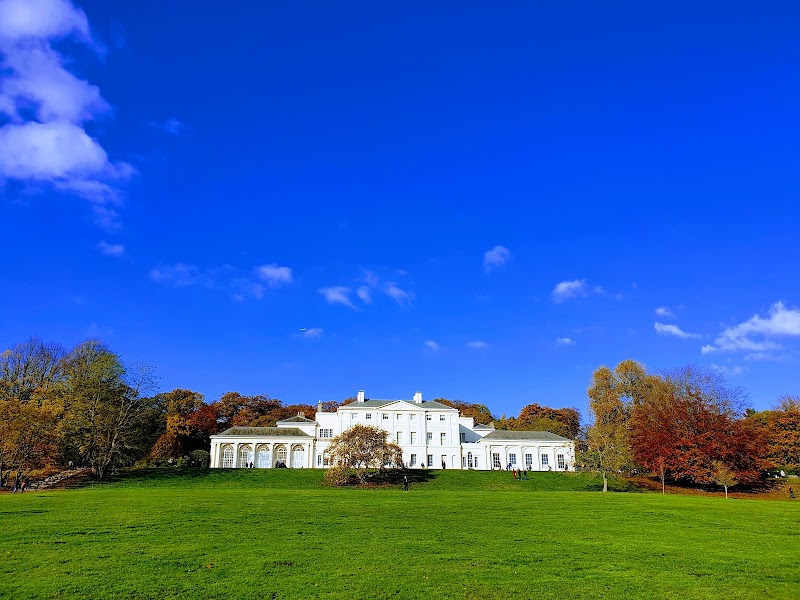
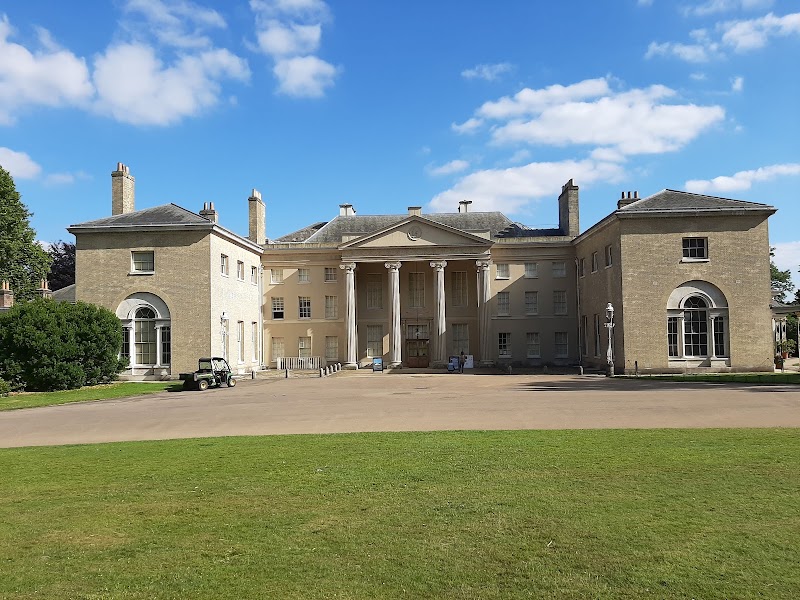
- Kenwood House — Robert Adam’s remodelling of 1764–1779 for the 1st Earl of Mansfield, with a library counted among his finest interiors, left to the nation as the Iveagh Bequest and free to enter.
- The Iveagh Bequest collection — a late Rembrandt self-portrait, Vermeer’s The Guitar Player, and works by Gainsborough, Reynolds and Turner, hanging in a country house on a public heath at no charge.
- The bathing ponds — the Highgate Men’s Pond and Kenwood Ladies’ Pond open all year and lifeguarded, plus the Mixed Pond in the summer season; open-water swimming in natural spring-fed water within a short walk of the Underground.
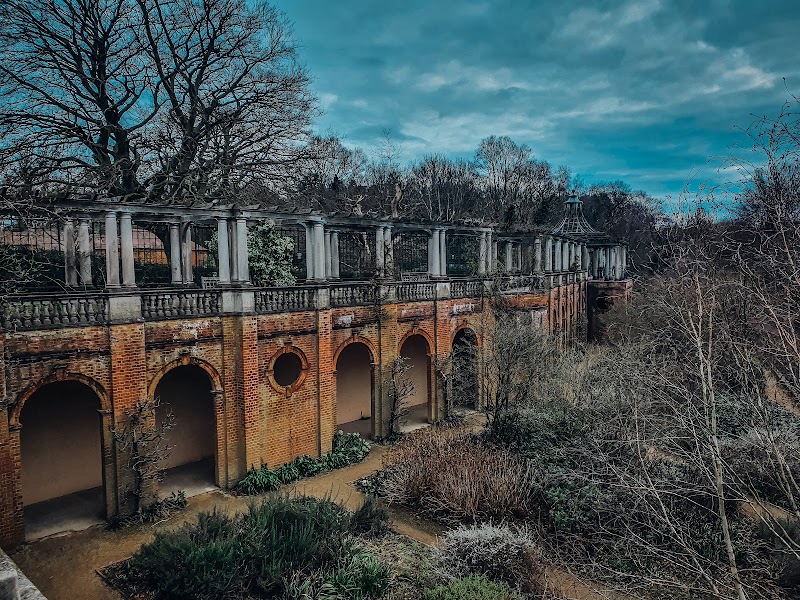
- The Hill Garden and Pergola — a raised walkway of roughly 245 metres built for Lord Leverhulme from 1905 to designs by Thomas Mawson, its terraces raised on spoil carted from the Northern line tunnelling nearby.
- Golders Hill Park — added to the Heath in 1898, a formal counterpoint with a walled flower garden, a butterfly house in season and a small free zoo.
What you’ll find
The Heath is a mosaic rather than a design. Bagshot Sand sitting on London Clay makes the high ground dry and acid and the hollows wet and springy, and centuries of grazing, gravel digging and neglect produced a patchwork nobody could have drawn on purpose.
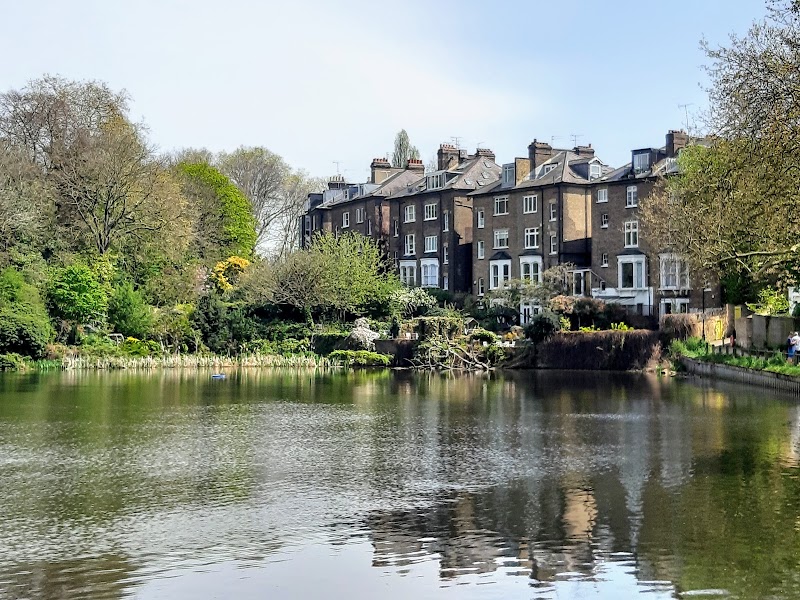
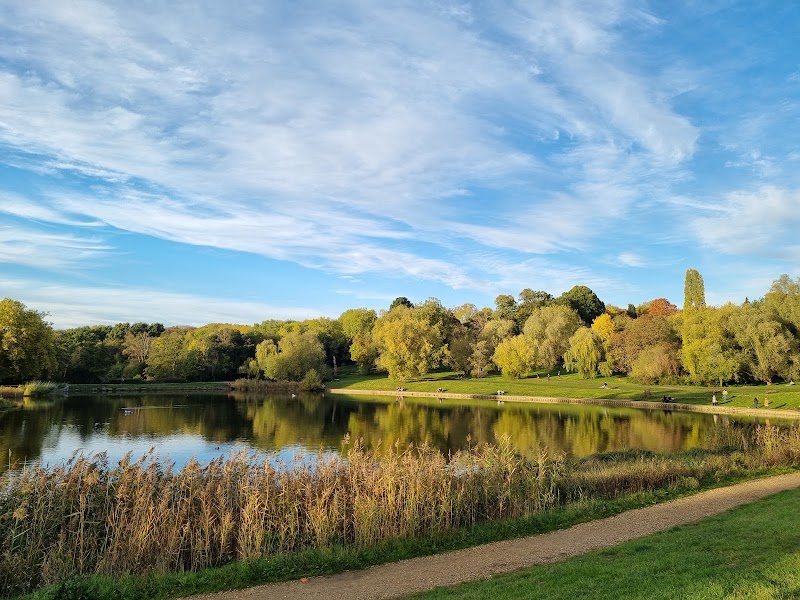
- Around twenty-five ponds in three chains — the Highgate, Hampstead and Vale of Health groups — originally dug as reservoirs by the Hampstead Water Company by damming the River Fleet.
- Ancient woodland at Ken Wood and North Wood, notified as a Site of Special Scientific Interest, with veteran oak and hornbeam and a rich invertebrate fauna.
- Open acid grassland, gorse and bramble on the ridge, grazed again since 2023 by rare-breed Norfolk Horn and Oxford Down sheep, the first flocks on the Heath since the 1950s.
- Sport and play: Parliament Hill’s athletics track, the unheated Parliament Hill Lido opened in 1938, tennis courts, bowls, eight playgrounds and a Saturday parkrun.
- The tumulus near Parliament Hill, long called Boudica’s Mound, excavated in 1894 with no burial found and now generally read as a Bronze Age barrow.
- Historic inns and houses around the edges, including the seventeenth-century Spaniards Inn and, just off the Heath, the house where Keats lived and wrote.
Things to do — and who it’s for
- Open-water swimmers — three natural ponds and a lido, all lifeguarded, offer year-round cold-water swimming that has become one of London’s defining outdoor rituals.
- Walkers who want to get lost — the Heath is deliberately unsignposted in places, and the ridge, the woods and the pond chains connect into circuits of an hour or of half a day.
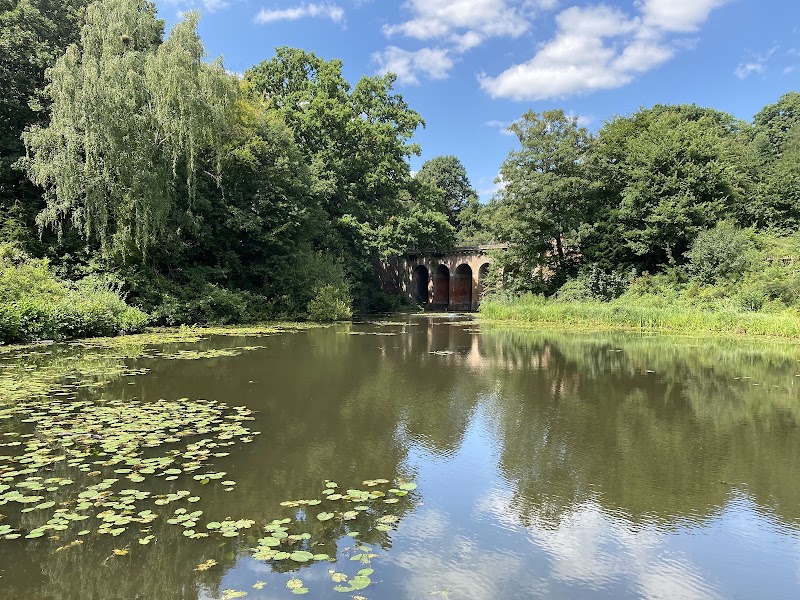
- Art and history visitors — Kenwood combines a major Adam interior, a free Old Master collection and a Repton landscape with a sham bridge, all inside the park boundary.
- Families — Golders Hill Park’s small zoo and formal gardens, the playgrounds and the paddling pools work for young children where the wilder Heath does not.
- Runners — the hill repeats on Parliament Hill are a north London institution, and the athletics track and cross-country courses have hosted competition for well over a century.
- Anyone who wants the view — kite flying, sunset watching and New Year crowds all converge on the same hilltop, which is free and open at any hour.
Getting there & practical
The Heath occupies high ground between Hampstead and Highgate in north London, mostly within the borough of Camden with an extension into Barnet. Hampstead Heath and Gospel Oak stations on the London Overground Mildmay line drop you at the southern edge, closest to Parliament Hill, the lido and the athletics track; Hampstead and Golders Green on the Northern line serve the west, with Golders Green the usual approach to Golders Hill Park; Archway, Highgate and Kentish Town cover the eastern and southern sides. Buses 210, 214, 268, 603 and C11 run along the perimeter, with the 210 the most useful for Kenwood. The Heath itself is free, unenclosed and open around the clock, with no gates on the great majority of it. Kenwood House is free to enter and run by English Heritage with its own opening hours. Swimming is not free: everyone entering the water needs a ticket, paid on arrival at the pond gate or, during the summer season, booked online in advance for a timed session, with reduced concessionary rates and season tickets for regulars. Allow two hours for the ridge and the ponds, and a full day if Kenwood and Golders Hill Park are on the list.
When to visit
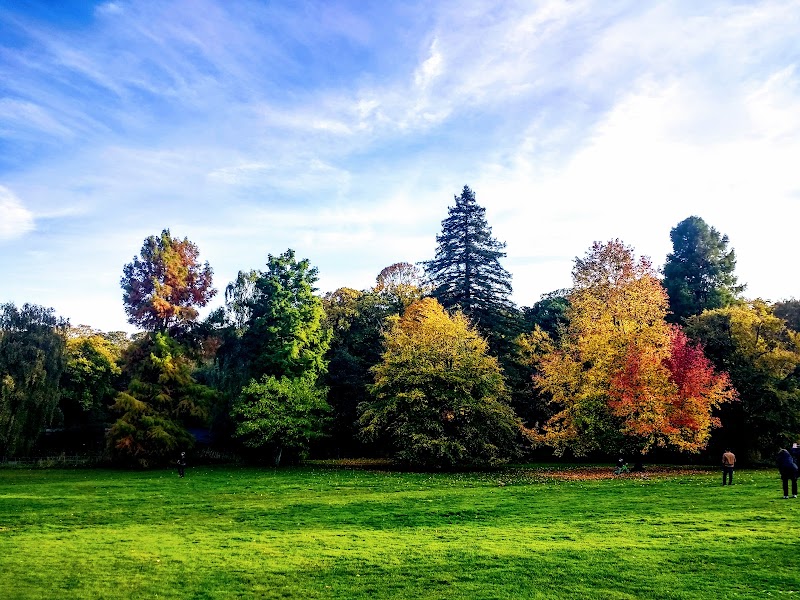
Spring is when the woods do their work — bluebells in the shaded ancient woodland, hawthorn along the hedgerows, and the ponds warming enough that the swimming queues lengthen. Summer brings the whole city up the hill: picnics on Parliament Hill, the lido at capacity, concerts and events in the Kenwood grounds, and long evenings that stay usable until well after ten. Autumn is the connoisseur’s season, with the beech and hornbeam turning, mist collecting in the hollows, fungi across the old grassland and the clearest air of the year for the skyline view. Winter is when the Heath is at its most characteristic: frost on the ridge, a bare-branch view all the way to the Kent hills on a hard day, and the ponds still open with swimmers going in at temperatures that make onlookers wince.
Good to know
For centuries this was manorial waste where local people held rights to graze animals, cut turf and dig sand. In the nineteenth century Sir Thomas Maryon Wilson, lord of the manor of Hampstead, made repeated attempts to build villas across it and was blocked each time by copyholders, local campaigners and, eventually, Parliament. After his death the Metropolitan Board of Works bought 220 acres for £45,000 under the Hampstead Heath Act of 1871, and the land was declared open to the public forever. Extensions followed: Parliament Hill Fields in 1889, Golders Hill Park in 1898 for £38,000 from the estate of the surgeon Sir Thomas Spencer Wells, and the Kenwood estate in the 1920s. Kenwood itself dates in origin to around 1616 and was bought in 1754 by William Murray, 1st Earl of Mansfield, the Lord Chief Justice whose household included his great-niece Dido Elizabeth Belle; Robert Adam remodelled it between 1764 and 1779, and Humphry Repton advised on the grounds. Edward Cecil Guinness, 1st Earl of Iveagh, bought the house in 1925 and left it and sixty-three Old Master paintings to the nation on his death in 1927 — the Iveagh Bequest — with the house opening to the public the following year. The Heath’s cultural footprint is enormous: John Constable painted its skies while living nearby, Wilkie Collins set scenes of The Woman in White on it, Bram Stoker used its edges in Dracula, and Karl Marx brought his family here for Sunday picnics. Management passed from the London County Council to the Greater London Council and, since 1989, to the City of London Corporation, which runs it as a charitable trust. The protected view corridors from Parliament Hill and Kenwood, first agreed in 1938, still constrain what can be built miles away in the City.
Visitor tips
- If you intend to swim, check the pond timetables before setting out: the Men’s and Ladies’ ponds are open all year but the Mixed Pond is seasonal, sessions can be bookable in summer and walk-up at other times, and the ponds are for competent swimmers with a minimum age — younger children should use the lido instead.
- Footwear matters more here than in any other London park. The clay hollows hold water for weeks after rain, and the sandy ridge paths are steeper than the map suggests.
- Kenwood House and Golders Hill Park keep their own opening hours even though the Heath around them never closes, so plan those two around the middle of the day rather than the edges.
Questions & answers
Is Hampstead Heath free and always open? The Heath itself is free and unenclosed, with no gates over most of its area and no closing time. Kenwood House and Golders Hill Park’s facilities keep their own hours, and swimming is charged for separately.
Do I have to pay to swim in the ponds? Yes. Everyone entering the water is expected to hold a ticket. Outside the summer season these are paid for on arrival at the pond; through the summer, timed sessions can be reserved online in advance and often sell out, while other sessions stay walk-up only. Concessionary rates and season tickets are available.
Which ponds are open in winter? The Highgate Men’s Pond and the Kenwood Ladies’ Pond are lifeguarded and open all year round. The Mixed Pond runs as a summer-season facility. The Parliament Hill Lido is unheated and also open through the winter.
What can you actually see from Parliament Hill? St Paul’s Cathedral, the City cluster, Canary Wharf, the Shard and the Palace of Westminster on a clear day. The panorama has been protected by view corridors agreed in 1938, which is why new towers are positioned to avoid blocking it.
Is Kenwood House worth going in? Yes, and it costs nothing. Robert Adam’s library is one of the great English neoclassical rooms, and the picture collection includes a late Rembrandt self-portrait and Vermeer’s The Guitar Player alongside Gainsborough, Reynolds and Turner.
Are dogs allowed? Yes, and the Heath is one of London’s best dog-walking landscapes. Dogs must be kept off the bathing ponds and out of the athletics and sports enclosures, and should be on a lead near the sheep grazing enclosures and ground-nesting bird areas.
Can I get lost, and is that a problem? You can, easily — much of the Heath is deliberately left without signage and the paths braid and rejoin. Downhill in almost any direction brings you to a road within twenty minutes, and the ridge is always the way back up.
How much time do I need? Two hours covers Parliament Hill and one pond chain at a walking pace. Kenwood plus the ridge is half a day; adding Golders Hill Park, the Pergola and a swim fills a full one comfortably.
Photos
Show 1 more photos
Visitor reviews
Reviews last updated: 2026-08-04 08:22:21
Data is refreshed monthly. Sources: londoname.com and editorial picks based on reviews.
A very nice place where there are always lots of young people and others relaxing here
A wonderful park! Like all of them in London. I admire the centuries-old traditions of the English in creating and caring for the landscape.
The park is lovely, but demanding. The paths are well laid out, but the hilly terrain can wear out this clumsy 62-year-old man. Nonetheless, it's very pleasant, with plenty of shady spots to sit and think, away from the…