

London isn’t just a concrete jungle of skyscrapers and bustling streets; it’s also a vital haven for wildlife, where flowers bloom, birds nest, and bumblebees buzz. This very fight for the capital’s precious green pockets is championed by the renowned environmental charity, the London Wildlife Trust (LWT).
Based in London, the English charity is dedicated to restoring nature within the metropolis, effectively bridging the gap between people and the natural world. LWT currently manages 36 free-to-access nature reserves, offering city dwellers a much-needed breath of the wild. More on londoname.
History in the Making
Founded in 1981, the London Wildlife Trust is one of the 46 members of The Wildlife Trusts, each operating as an independent charity within its own patch. At a time when rapid urbanisation threatened to engulf green spaces with new construction, a group of dedicated enthusiasts came together to safeguard the remnants of nature. LWT’s core vision is to empower local communities to help regenerate the environment. The organisation aims to unite community efforts for this shared goal and actively seeks new partners to develop and implement innovative, nature-benefitting approaches.
The Trust has deep roots in London’s local communities, nurturing wild places and deepening people’s understanding of their interconnectedness with the natural world. Members of the charity engage and inspire people to connect with nature and are fiercely determined to tackle its decline. By the 1990s, LWT had expanded, notably establishing its first reserve at Sydenham Hill. This site, a piece of the largest surviving urban woodland in Europe, was honoured with the UK-MAB Urban Wildlife Award in 1997. Following the launch of the ‘Living Landscapes’ strategy in the 2000s, the focus shifted towards ecosystem restoration. They moved beyond simply rescuing individual species to actively regenerating entire landscapes.
As part of The Wildlife Trusts movement, LWT collaborates extensively with businesses, local government, and communities. Their work involves not only protecting nature but also engaging volunteers, running educational programmes, and utilising robust scientific data. Furthermore, LWT strongly advocates for equality, diversity, and inclusion, firmly believing that the natural environment must be accessible to absolutely everyone.
Through its efforts, the Trust champions the rights of Londoners to:
- Clean air and water.
- An ecologically sound world for future generations.
- Access to open space.
- Live in harmony with wildlife.
- The sensible use of land resources.
Key Areas of Work
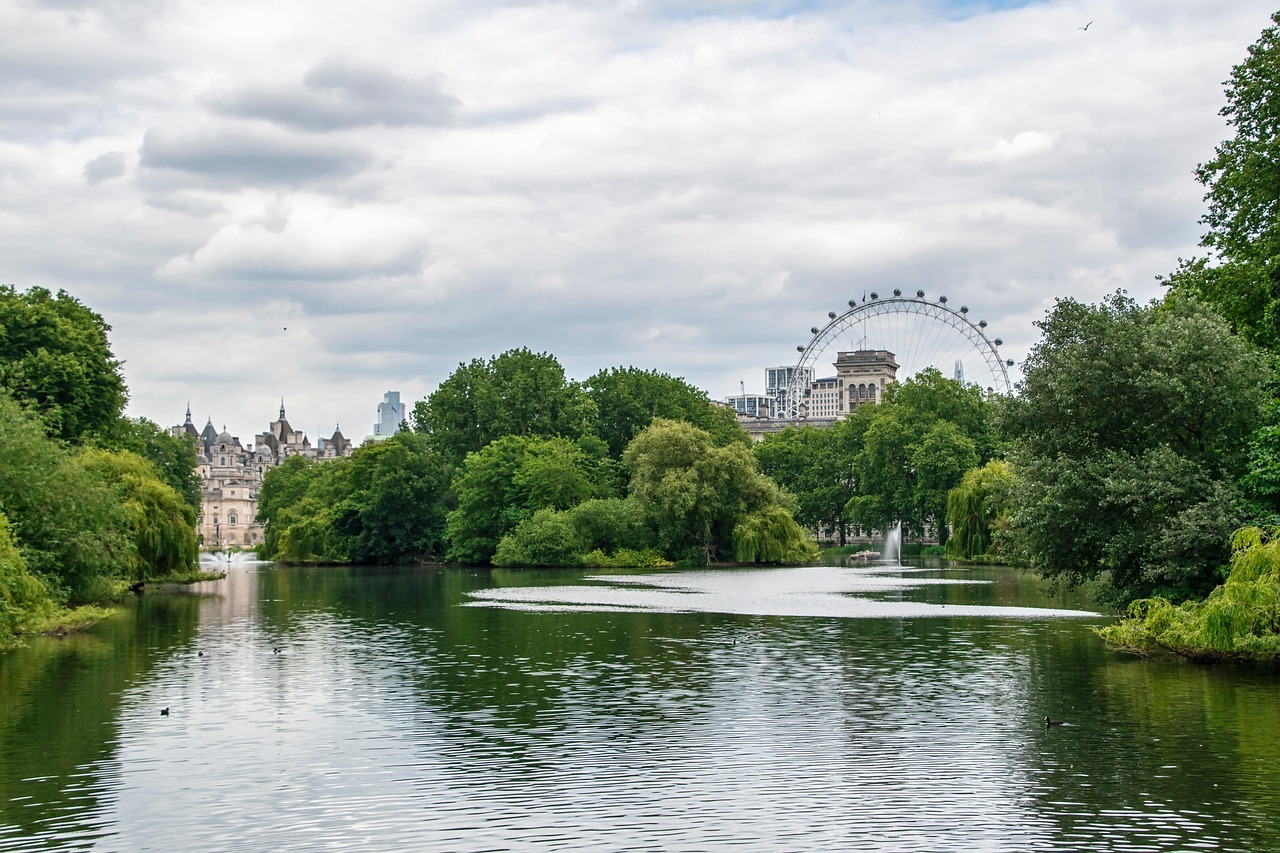
LWT’s activities combine practical work, science, and activism, managing 36 reserves—ranging from ponds to wild woodlands—and ensuring free access for all. A central focus is habitat conservation. For instance, the *‘Water for Wildlife’* programme has been pivotal in addressing the protection of London’s freshwater ecosystems. This initiative has successfully completed six major projects to restore and improve wetlands, created a new habitat on the River Brent, and restored water management structures at Uxbridge Grove and old river meanders.
Education is another vital workstream. LWT organises workshops, festivals, and guided walks for schools and families, teaching people about biodiversity. The ‘Keeping it Wild’ programme has inspired over 1,000 young people to take an active role in protecting and promoting London’s natural heritage. Young people have been involved in community-based social action projects and paid internships, aiming to make nature more accessible to youth living in the metropolis. The initial phase was delivered via a partnership led by LWT, which included London Youth, Headliners UK, and the John Muir Trust.
It is also worth noting that the organisation actively collaborates with businesses, authorities, and landowners to ensure that wildlife and green spaces are factored into construction and development plans. Community-focused schemes, such as ‘Wildlife Festivals’, where neighbours come together to plant bee-friendly flowers, have also proven highly successful.
The Strategy to 2030
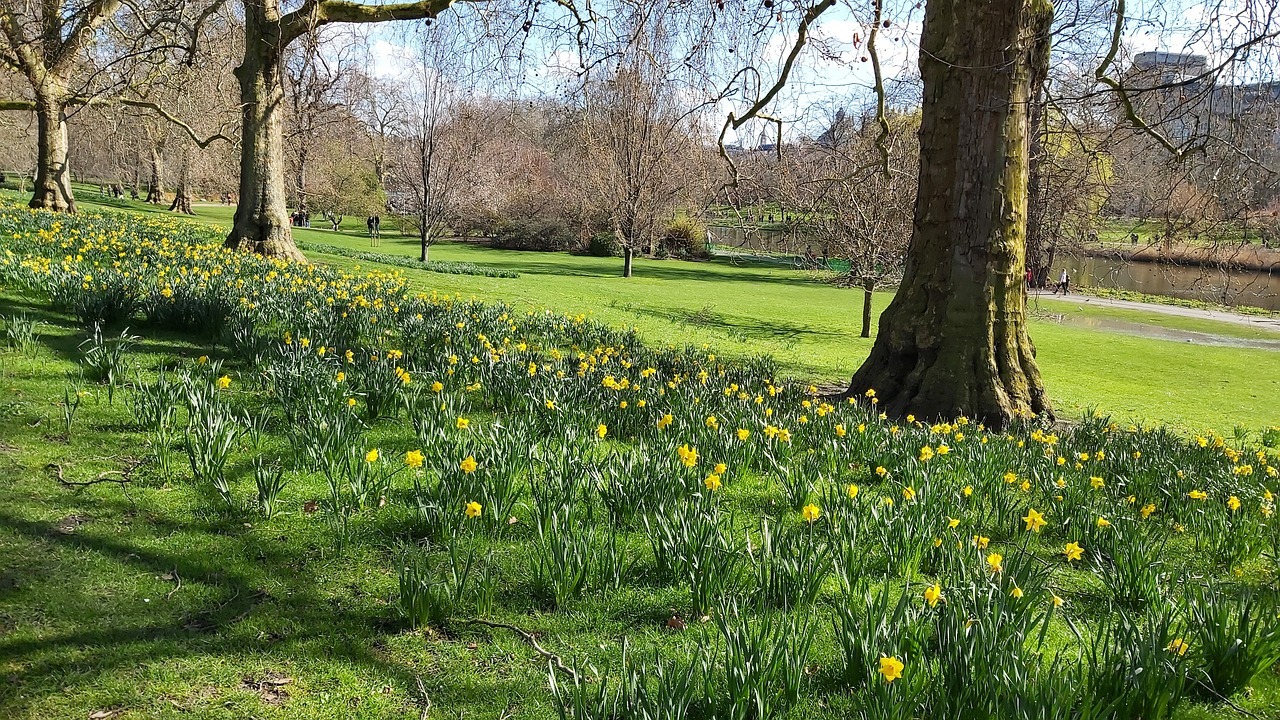
Naturally, the work of the London Wildlife Trust faces significant challenges that complicate its operations and development. These include the decline of biodiversity, the relentless urban pressure on the natural environment, and social inequality in accessing green spaces.
In response, the organisation has formulated a five-year plan, ‘Strategy 2030’, with key priorities:
- Bring more people together to collaborate for nature’s benefit.
- Improve human well-being.
- Increase their influence on political decisions to better protect the natural environment.
- Redesign the city’s landscape so it serves both people and nature simultaneously.
- Create new programmes tailored for young people.
- Embed biodiversity conservation through river catchment plans and regional conservation measures.
- Support communities and empower people of all ages, cultures, identities, and abilities to protect wildlife.
- Create safe and inclusive wild spaces close to where people live.
- Expand volunteering opportunities and actively engage young people.
In summary, the London Wildlife Trust is more than just a conservation body; it is a catalyst for change in London. It strives for the city’s well-being and social justice, aiming to make the metropolis a harmonious place where people can thrive alongside the natural world.
LWT demonstrates through its own example—via practical work and educational programmes—that the city can be more than just a concrete kingdom; it can be a true home for nature. Every Londoner can play a part in helping the metropolis become greener.
Used sources: